A visible leg vein is not automatically a disease requiring surgery, but pain, swelling, skin changes or bleeding deserve more than cosmetic advice. You will learn which warning signs need urgent care, how duplex ultrasound determines the treatment route, and how to compare procedures and Mumbai clinics before committing.
Key takeaways
- Seek assessment for painful, raised veins or ankle skin changes.
- Duplex ultrasound identifies faulty valves and guides treatment selection.
- Compression, laser, foam and surgery suit different vein patterns.
- Get urgent review for sudden swelling, redness, warmth or severe pain.
When Enlarged Leg Veins Need Medical Assessment
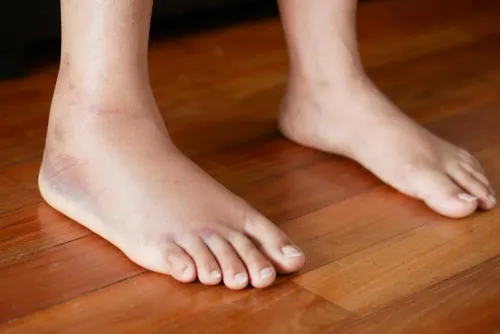
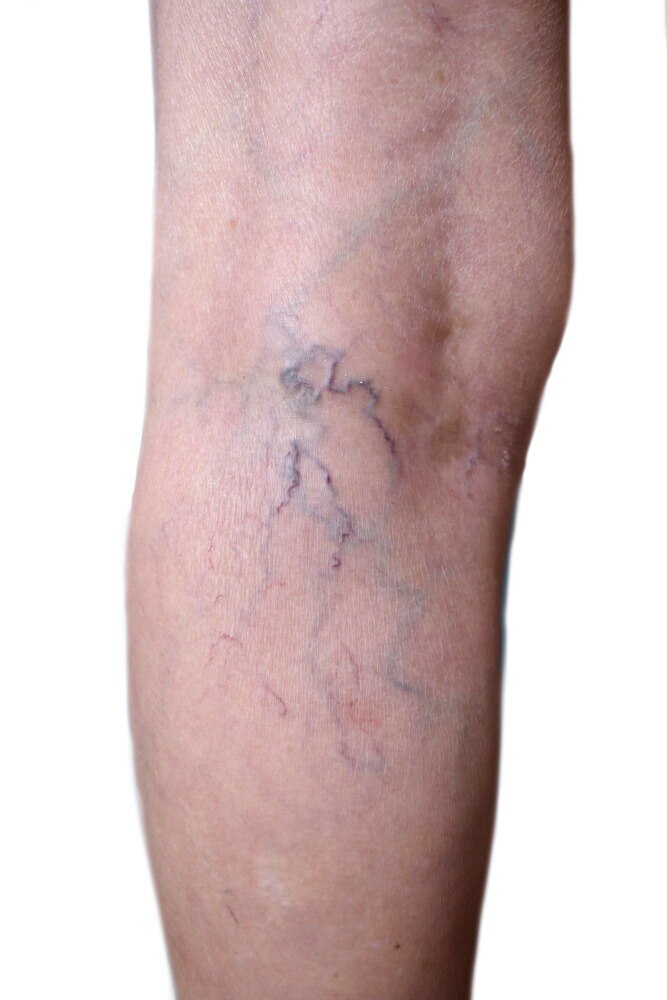
Small red or blue spider veins that lie flat and cause no symptoms are often a cosmetic concern. Raised, twisted or rope-like veins are more likely to be varicose veins, especially when they ache or change the skin around the ankle. Painful varicose veins treatment begins with medical assessment, not creams, massage or self-prescribed compression.
Arrange an assessment if you have:
- Aching, leg heaviness or itching
- Night cramps or ankle swelling
- Brown or purple skin discolouration
- Eczema, bleeding or a healed or open venous ulcer
- A painful, red, warm or firm segment along a superficial vein
These features suggest clinically significant venous disease. Pregnancy, family history, obesity, increasing age, prolonged standing or sitting, and previous deep-vein thrombosis increase the likelihood. A new inflamed vein segment needs assessment because superficial thrombophlebitis can extend toward the deep veins.
Seek urgent medical care for sudden one-sided swelling, warmth, redness, severe pain or tenderness. Chest pain, breathlessness, coughing blood or fainting is an emergency; call emergency services because these symptoms can indicate a pulmonary embolism.
If a varicose vein bleeds, lie down, raise the leg and apply firm direct pressure with a clean dressing. Seek urgent help if bleeding continues, even after pressure. Bleeding veins need medical referral after the episode settles. Asymptomatic veins chosen only for appearance involve a different decision from treatment for pain, swelling or skin damage.
How a Varicose Vein Doctor in Mumbai Finds the Cause
A treatment label or clinic location cannot establish why a leg is swollen or whether surgery is appropriate. A varicose veins doctor in Mumbai should base the plan on a clinical examination and duplex ultrasound, not on visible veins alone.
1. The clinician asks when pain, heaviness, itching or swelling began and whether symptoms worsen after standing. Tell them about pregnancy, previous thrombosis, bleeding, ulcers, medicines including anticoagulants, and every previous vein procedure.
2. Both legs are examined while you are standing. This shows the size, pattern and skin changes of enlarged veins more clearly than an examination lying down.
3. Duplex ultrasound maps blood flow and reflux in veins such as the great saphenous and small saphenous veins. It identifies the affected superficial or deep vein, detects obstruction and checks whether swelling has another cause.
Swelling caused by heart failure, kidney disease or lymphatic disease needs a different work-up; treating surface veins will not fix it. Untreated acute deep-vein thrombosis is not an elective varicose-vein procedure and needs prompt medical assessment.
Suitability changes with pregnancy, active skin infection, large tortuous veins, recurrent veins, deep-vein disease, anticoagulant use and previous thrombosis. During pregnancy, doctors usually recommend symptom relief, such as compression when appropriate, and reassessment after delivery rather than intervention.
Comparing Compression, Laser, Foam and Conventional Surgery
Walking, calf exercises, leg elevation and compression stockings can ease aching and swelling, but none corrects venous reflux. Compression is mainly used when intervention is unsuitable or during pregnancy.
After duplex ultrasound confirms truncal reflux, the usual sequence is endovenous laser ablation or radiofrequency ablation when technically suitable, ultrasound-guided foam sclerotherapy when endothermal treatment is unsuitable, and ligation with stripping when both catheter-based options are unsuitable.
| Option | What it can accomplish | Limits or usual role |
|---|---|---|
| Compression | Reduces pooling, aching and swelling | Does not seal reflux; not definitive treatment when intervention is suitable |
| Laser or radiofrequency | Seals a refluxing truncal vein from inside | Requires suitable anatomy and follow-up imaging |
| Foam sclerotherapy | Closes selected veins with injected sclerosant | Less suitable for some large or extensive trunks |
| Ambulatory phlebectomy | Removes accessible surface tributaries through tiny punctures | Does not treat the underlying truncal reflux alone |
| Ligation and stripping | Ties off and removes a refluxing vein | More incisions, bruising and recovery than catheter treatment |
Laser treatment uses local anaesthesia, ultrasound-guided catheter placement and heat to seal the vein. You usually walk soon afterwards, then return for follow-up imaging. Foam suits selected veins, while ambulatory phlebectomy removes removable surface branches. Large tortuous, recurrent or anatomically unusual veins may need a combination or a different sequence.
No procedure guarantees removal of every visible vein; smaller tributaries or new reflux can remain. This is why varicose vein surgery near Mumbai should follow an ultrasound-based plan rather than appearance alone.
How to Choose a Mumbai Clinic and Plan the Appointment
A credible varicose vein surgeon in Mumbai should start with a standing duplex ultrasound, not a treatment package. Confirm that the clinic maps superficial and deep-vein flow, identifies reflux, and treats both painful disease and cosmetic concerns.
| Option | What to ask | Why it matters |
|---|---|---|
| Laser or radiofrequency | Is endothermal ablation suitable for this ultrasound finding? | These techniques usually suit confirmed truncal reflux. |
| Foam sclerotherapy | If heat treatment is unsuitable, is ultrasound-guided foam appropriate? | Foam can treat selected veins without endothermal ablation. |
| Phlebectomy | Can surface tributaries be removed through tiny incisions? | Smaller visible branches may need separate treatment. |
| Stripping | Why are catheter treatments unsuitable? | Stripping uses more incisions and usually needs longer recovery. |
Before booking, ask:
- Which vein is refluxing: the great saphenous, small saphenous, a tributary or a deep vein?
- Who performs the procedure, what anaesthesia is used, and what happens if nerve irritation, thrombosis or bleeding occurs?
- Does the quoted fee include the duplex scan, procedure, compression garment, medicines and follow-up imaging?
- How are recurrent veins handled, and whom can you contact after hours?
- Can the clinic provide accessible reviews after treatment rather than leaving you to arrange care elsewhere?
A consultation with Dr Janhavi Kapadia, a general and laparoscopic surgeon, can help assess whether a surgical route is appropriate; confirm her venous experience and ultrasound-based plan before deciding. Compare travel time from Chembur, Sion or nearby areas because you may need separate visits for scanning, treatment and review.
Do not choose solely for “varicose vein treatment near me” or a location claim.
Related service
Varicose Veins Varicose Veins Varicose veins are swollen, twisted veins that usually appear just under the skin, primarily in the legs. |
Preparation, Recovery and Signs That Need Review
Before treatment, give the clinician a complete medication list, including anticoagulants, and disclose any previous deep-vein thrombosis. Follow instructions about eating and medicines; if sedation is planned, arrange transport home and wear the recommended loose clothing.
Confirm these practical details before booking:
- How long the procedure will take and whether you can go home the same day.
- When to walk, how far to walk and how long to wear compression stockings.
- How to clean dressings or wounds, when to return for review and how many days away from work to plan.
- When you can resume running, lifting, cycling or other strenuous exercise.
Bruising, tightness, soreness and temporary numbness along the treated vein are common during recovery. Smaller tributaries may need a separate session, and treatment does not remove every visible vein. New varicosities or reflux can develop after ablation or conventional surgery.
Less common problems include deep-vein thrombosis, nerve irritation, skin burns, pigmentation and recurrence. Follow the clinic’s early-walking instructions and attend scheduled duplex imaging; visible veins and discomfort do not have to disappear immediately.
Seek urgent review for sudden leg swelling, increasing pain, spreading redness or warmth, or heavy bleeding. Chest pain, breathlessness, coughing blood or fainting requires emergency assessment because it may indicate pulmonary embolism or another serious complication, not a routine follow-up appointment.
Frequently asked questions
When should painful varicose veins receive medical assessment?
Arrange an assessment for aching, raised or twisted veins, ankle swelling, skin colour changes, itching, ulcers or bleeding. Sudden swelling, redness, warmth or severe pain needs prompt medical review.
How does a varicose vein doctor in Mumbai find the cause?
The doctor examines your legs and uses duplex ultrasound to map blood flow, identify faulty valves and check which veins require treatment.
How do compression, laser, foam and conventional surgery differ?
Compression manages symptoms, while laser treatment, foam sclerotherapy and conventional surgery close or remove problem veins. The vein pattern, symptoms and ultrasound findings guide the choice.
What should you ask when choosing a varicose vein clinic near Mumbai?
Ask who will perform the assessment, whether duplex ultrasound is available, which treatments are offered, how recovery is managed and when follow-up occurs.
Keywords