
Swelling that appears over minutes, hours, or days can reflect anything from a medicine effect or minor injury to an allergic reaction, blood clot, infection, or trapped hernia. By matching the location and speed of onset with pain, skin changes, fever, breathing symptoms, and other warning signs, you can decide whether to call emergency services, visit a hospital, or arrange a prompt outpatient assessment.
Key takeaways
- Swelling within minutes can signal allergy, bleeding, or an acute blockage.
- Call emergency services for breathing trouble, facial swelling, severe pain, or fainting.
- Record when swelling began, where it appeared, and medicines taken recently.
- A clinician may use examination, blood tests, ultrasound, CT, or surgery to find the cause.
What the Location and Speed of Swelling Can Tell You
Swelling that appears within minutes points to allergy or angioedema, bleeding, or an acute blockage. Change over hours fits infection, a blood clot, injury, or a trapped hernia; change over days points more toward medicine effects, fluid retention, or a growing local process.
| Location | Possible causes | Clues |
|---|---|---|
| One leg | Clot, blocked veins, injury, infection, dependent fluid | Pain, warmth, redness, bruising, or tight skin |
| Both legs, both eyes, or increasing abdomen | Heart, kidney, liver, thyroid, venous, or low-protein problems | Pitting fluid, sudden weight gain, breathlessness, or reduced urine |
| Face or lips | Allergy or angioedema | Rapid onset; tongue or throat swelling is dangerous |
| Neck | Infection, enlarged lymph node, thyroid or other mass | Fever, pain, swallowing change, or a firm lump |
| Breast or scrotum | Infection, bleeding, fluid collection, blocked drainage, or a mass | Tenderness, warmth, bruising, or a persistent lump |
| Localised lump | Abscess, cyst, lipoma, hernia, haematoma, or solid mass | Hernia may change with standing; a hard, fixed, or enlarging lump needs assessment |
Fluid swelling is usually soft or pitting; inflammation and infection bring warmth, redness and pain. Bleeding causes rapid enlargement or bruising, while blocked veins or lymphatic channels create one-sided or persistent swelling.
Amlodipine and other calcium-channel blockers, corticosteroids, nonsteroidal anti-inflammatory drugs, hormones, and some diabetes medicines can contribute. Do not stop a prescribed medicine without medical advice. Arrange assessment for unexplained, recurrent, persistent, hard, fixed, or enlarging swelling. Swelling treatment in Mumbai depends on the cause, not the appearance alone.
When Swelling Is an Emergency—and What to Do While Getting Help
Swelling that appears over minutes needs immediate emergency care, not a routine swelling consultation near me. Go to a Mumbai emergency department if your lips, tongue, mouth, or throat swell with wheezing, hoarseness, trouble swallowing, dizziness, or breathing difficulty. Do not wait for symptoms to settle.
| Timing or symptom | What it may signal | What to do |
|---|---|---|
| Minutes: facial or throat swelling with airway symptoms | Angioedema and airway obstruction | Call emergency services and go immediately |
| Minutes to hours: chest pain, breathlessness, coughing blood, fainting, or fast heartbeat with one-sided leg swelling | Pulmonary embolism or another serious circulation problem | Go immediately |
| Hours: painful, warm, discoloured leg | Deep-vein thrombosis or severe inflammation | Seek same-day emergency assessment |
| Hours: red, hot skin spreading quickly with fever | Cellulitis or deeper infection | Seek same-day emergency assessment |
| Any time: pain far worse than the visible swelling, blisters, numbness, confusion, or weakness | Potentially dangerous soft-tissue infection or circulation loss | Go immediately |
| Any time: severe abdominal pain, vomiting, distension, inability to pass stool, gas, or urine, or a painful lump that will not reduce | Obstruction or strangulated hernia | Go immediately |
| After major injury: tightness, escalating pain, weakness, numbness, or reduced movement | Fracture, bleeding, or compartment syndrome | Go immediately |
Elevate a dependent leg and photograph changes while arranging help. Do not massage suspected clots or injuries, squeeze an abscess, or take diuretics without a prescription. If unexplained swelling lasts into the next day or recurs, book prompt assessment with a swelling doctor in Mumbai.
How a Clinician Finds the Cause of Sudden Swelling
A clinician identifies the cause before recommending treatment, because sudden swelling can reflect fluid, infection, bleeding, allergy, a blocked vein, a hernia, or a solid mass.
1. Record the exact onset and rate of growth. Note whether it is one-sided or generalised, its size, pain, warmth, colour, fever, and changes in breathing, bowel function, or urination.
2. Bring every medicine name and dose, including anticoagulants, steroids, calcium-channel blockers, hormones, and diabetes medicines. Report recent travel, prolonged sitting, injury, surgery, pregnancy, insect stings, a high-salt meal, cancer, kidney or heart disease, and previous blood clots.
3. Expect checks of blood pressure, pulse, temperature, and both limbs for differences in size, colour, warmth, tenderness, and circulation. The clinician may examine your skin and abdomen, test a lump’s mobility and tenderness, and look for a hernia or impaired blood flow.
4. Blood and urine tests can assess infection, blood count, kidney and liver function, urine protein, thyroid status, and other systemic causes. New generalised swelling, swelling around both eyes, rapidly enlarging abdominal swelling, or sudden weight gain can require this broader assessment rather than a surgical opinion alone.
Ultrasound can examine a superficial lump, fluid collection, breast swelling, or neck swelling. Doppler ultrasound assesses altered blood flow and deep-vein thrombosis; CT or another scan can reveal obstruction, deep infection, internal bleeding, or an abdominal structural problem. Imaging alone does not prove that a mass is cancerous.
Give this complete account when seeing a swelling doctor in Mumbai, because it helps separate the causes of swelling quickly.
How to Read a New Lump Without Trying to Diagnose It Yourself
A lump’s feel, movement, colour and change with position help you describe it, but they do not prove its cause. Possible causes of swelling include infection, trapped fluid, bleeding, a hernia, a blocked vein or a solid mass.
1. A tender, warm, red lump with a soft or fluctuant centre, pus, or a central soft spot suggests an abscess. Do not squeeze or try to drain it; infection can spread, and antibiotics alone may not clear a collection.
2. A lymph node is often a small, oval lump in the neck, armpit or groin after an infection. Arrange review if it is hard, fixed, enlarging, or linked with night sweats or unexplained weight loss.
3. A smooth, round lump may be a cyst. A lipoma is usually soft, mobile and painless. A breast lump needs clinical assessment even when it does not hurt.
4. A hernia becomes more prominent when standing or coughing and may reduce when lying down. A firm, painful lump that will not reduce, especially with vomiting, abdominal distension, or inability to pass stool or gas, needs urgent surgical assessment.
5. A varicose vein follows a superficial vein and shows more clearly while standing. Sudden one-sided leg swelling or pain needs clot assessment.
6. After injury, swelling can reflect a haematoma, fracture, dislocation or compartment syndrome. Severe escalating pain, tightness, numbness, weakness or reduced movement is urgent; avoid forceful massage.
7. Seek examination for painless swelling that persists, recurs, grows or lacks an explanation. Ultrasound may assess a superficial lump, but imaging alone cannot establish cancer. Surgical treatment for swelling in Mumbai depends on the confirmed cause.
What Swelling Treatment in Mumbai Can Involve
Stable, painless swelling without red flags can start with a scheduled general physician, dermatologist, vascular specialist, breast surgeon, or general and laparoscopic surgeon. Choose by location, appearance, and likely cause—not by the visible puffiness alone.
| Care setting | What it can provide | When it fits |
|---|---|---|
| Routine clinic | Examination, medicine review, ultrasound or Doppler referral, follow-up | Localised, stable swelling without severe pain or red flags |
| Same-day assessment | Examination and testing for infection, clot, injury, or a trapped hernia | Swelling that changes over hours, becomes painful, warm, red, or unexplained |
| Emergency department | Immediate treatment and hospital imaging | Breathing difficulty, fainting, chest symptoms, severe pain, neurological symptoms, or inability to pass stool or urine |
| Surgical review | Assessment for repair, drainage, or control of bleeding | A structural problem identified on examination or imaging |
Ask whether the service can arrange Doppler or ultrasound promptly, refer to the right specialist, access emergency care, and schedule reassessment. Swelling treatment in Mumbai may involve observation, antibiotics, abscess drainage, compression or venous treatment, medicine review, or management of heart or kidney disease. Do not start diuretics without medical advice.
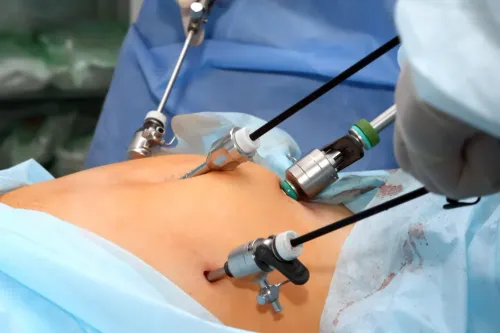
Surgical treatment for swelling in Mumbai is appropriate for an obstructed or strangulated hernia, a drainable collection, a bleeding source, or selected abdominal conditions. Laparoscopic surgery is not a general remedy for unexplained swelling and may be unsuitable when emergency open access is needed.
Dr Janhavi Kapadia can assess a suspected surgical cause in a scheduled consultation.
Go to an emergency department rather than searching for a swelling consultation near me if symptoms worsen rapidly or involve breathing, fainting, chest pain, severe infection, or escalating pain. Bring photographs, onset details, reports, and every medicine packet.
Related services
Swelling Swelling also known as edema, occurs when fluid accumulates in the body's tissues, leading to enlargement or puffiness in the affected area. |
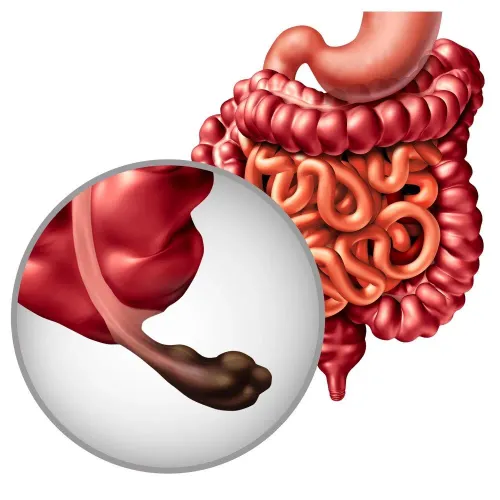
Appendicitis Appendicitis Appendicitis is the inflammation of the appendix, a small, finger-shaped pouch attached to the large intestine. |
Frequently asked questions
What can the location and speed of swelling reveal?
Swelling within minutes points toward allergy or angioedema, bleeding, or an acute blockage. Swelling over hours fits infection, a blood clot, injury, or a trapped hernia. Swelling over days can relate to medicine effects, fluid retention, or a growing local process.
When is sudden swelling an emergency?
Seek emergency help for swelling with breathing difficulty, throat or tongue enlargement, fainting, severe pain, rapidly spreading redness, a cold or pale limb, or persistent vomiting. Do not drive yourself if you feel faint or have trouble breathing.
How does a clinician find the cause of sudden swelling?
A clinician reviews the timing, location, symptoms, injuries, operations, medical conditions, and medicines before examining the swollen area. Tests can include blood tests, ultrasound, X-ray, CT, or other imaging when the examination does not identify the cause.
How should you assess a new lump without diagnosing it yourself?
Note its size, tenderness, mobility, skin changes, temperature, and whether it changes when you cough, stand, or lie down. Do not squeeze, puncture, or repeatedly press it; arrange an examination if it persists, grows, hurts, or appears with fever.
What can swelling treatment in Mumbai involve?
Treatment depends on the cause and can include observation, medicines, drainage, wound care, or surgical treatment. A swelling doctor in Mumbai can determine whether you need urgent assessment, imaging, specialist review, or surgery.
Related services
Abdominal Pain Abdominal Pain Abdominal pain is discomfort or pain felt anywhere in the region between the chest and pelvis. |
Breast Surgery Breast Surgery refers to a variety of procedures aimed at diagnosing, treating, or enhancing the appearance of the breasts. |
Varicose Veins Varicose Veins Varicose veins are swollen, twisted veins that usually appear just under the skin, primarily in the legs. |
Hernia Surgery Hernia Surgery Hernia surgery is a procedure performed to repair a hernia, which occurs when an internal organ or tissue pushes through a weakened area of muscle. |
Keywords