Abdominal pain that shifts to the lower right side can have several causes, and the first hospital assessment must separate appendicitis from urinary, gastrointestinal and gynaecological emergencies. You will learn which questions, examinations, tests and treatment decisions to expect, plus what to ask before surgery and during recovery.
Key takeaways
- Seek urgent care for worsening right-lower abdominal pain, vomiting or fever.
- Doctors combine an examination, blood and urine tests, and imaging scans.
- Laparoscopic surgery usually uses several small incisions and a camera.
- Report increasing pain, fever, redness, swelling or discharge after surgery.
How doctors assess appendicitis pain and emergency symptoms
The appendicitis diagnosis process starts with emergency triage, not a scan. A clinician records when the pain began, whether it moved from around the navel to the lower-right abdomen, and whether you have nausea, vomiting, loss of appetite or fever.
They check your temperature, pulse, blood pressure and breathing before examining your abdomen for tenderness, guarding or rigidity.
Seek immediate surgical assessment if you have:
- Worsening or severe lower-right abdominal pain
- Persistent vomiting or inability to keep fluids down
- Fever with increasing abdominal tenderness
- A rigid abdomen or pain when movement, coughing or walking
- Faintness, confusion, marked weakness or cold, clammy skin
- Pain with possible pregnancy, especially alongside vaginal bleeding or dizziness
These findings raise concern for perforation, peritonitis or sepsis. Do not wait for a routine appointment; doctors may begin fluids, antibiotics and surgical review before every result is available.
Blood tests such as a complete blood count and C-reactive protein measure inflammation, but neither proves or excludes appendicitis alone. Urinalysis helps distinguish urinary infection or a kidney stone, and clinicians order a pregnancy test when relevant to assess ectopic pregnancy and guide imaging.
The examination also helps separate appendicitis from gastroenteritis, gallbladder disease and ovarian conditions. Alvarado or Appendicitis Inflammatory Response scores organise risk; they do not replace examination or imaging. This is what happens during appendicitis for treatment in Mumbai as well as elsewhere.
Which blood tests, urine tests and scans confirm the diagnosis
The appendicitis diagnosis process combines abdominal examination with laboratory results and imaging; no single blood or urine test confirms it. Doctors assess tenderness, guarding, fever, pulse and blood pressure alongside the pain pattern and other symptoms.
Typical tests include:
- Complete blood count: a raised white-cell count supports infection or inflammation but cannot prove appendicitis.
- C-reactive protein (CRP): a raised result supports inflammation; an early normal result does not exclude appendicitis.
- Urinalysis: blood or white cells can suggest a kidney stone or urinary infection, while a normal result does not rule out appendicitis.
- Pregnancy test: this guides scan selection and helps identify ectopic pregnancy in anyone who could be pregnant.
An Alvarado score or Appendicitis Inflammatory Response score can organise findings into lower- or higher-risk groups. Neither score replaces examination and imaging when the diagnosis remains uncertain.
| Scan | What it shows | When it applies |
|---|---|---|
| Ultrasound | The appendix, surrounding fluid or an abscess without radiation | Often first for children and pregnancy |
| Contrast-enhanced CT | The appendix and alternative causes of abdominal pain in detailed cross-sectional images | Often preferred for adults when ultrasound is inconclusive |
| MRI | Detailed images without ionising radiation | When radiation should be avoided and the hospital has timely access |
Age, pregnancy status, examination findings, urgency and Mumbai hospital availability shape the choice. If examination findings strongly indicate appendicitis, surgeons may proceed to urgent treatment without delaying for a scan.
What to expect during an appendicitis hospital consultation in Mumbai
Bring your medication list, allergy details, previous operation records, scan reports, and the time your pain and vomiting began to an appendicitis hospital consultation. Tell the team about pregnancy possibility, blood thinners, diabetes, and your last food or drink. Do not take laxatives or delay assessment while arranging documents.
Ask the hospital:
- Is emergency surgical review available at all hours?
- Are anaesthesia, ultrasound or CT, blood and urine testing, and postoperative monitoring available overnight?
- Does the surgeon expect laparoscopic surgery, and when would open surgery be safer?
- If antibiotics are proposed, what is the plan if pain persists or appendicitis returns?
- If an abscess is present, can interventional radiology drain it, and would appendectomy happen now or later?
The options differ according to the scan and your condition:
| Option | What it means | Main trade-off |
|---|---|---|
| Surgery | Remove the appendix, usually laparoscopically | Definitive treatment, with anaesthetic, bleeding, infection and bowel-injury risks |
| Antibiotics | Treat selected uncomplicated cases after imaging excludes perforation, abscess and other complications | Avoids immediate surgery but failure or later recurrence is more likely, especially with an appendicolith |
| Abscess treatment | Intravenous fluids and antibiotics, plus drainage when feasible; appendectomy may be early or delayed | Controls infection first, but requires closer follow-up and sometimes a second procedure |
Ask Dr Janhavi Kapadia to explain which option fits your scan, pregnancy status, medical conditions and anaesthetic risk. For appendix treatment in Mumbai, service availability and local surgical expertise affect the practical plan.
Related service
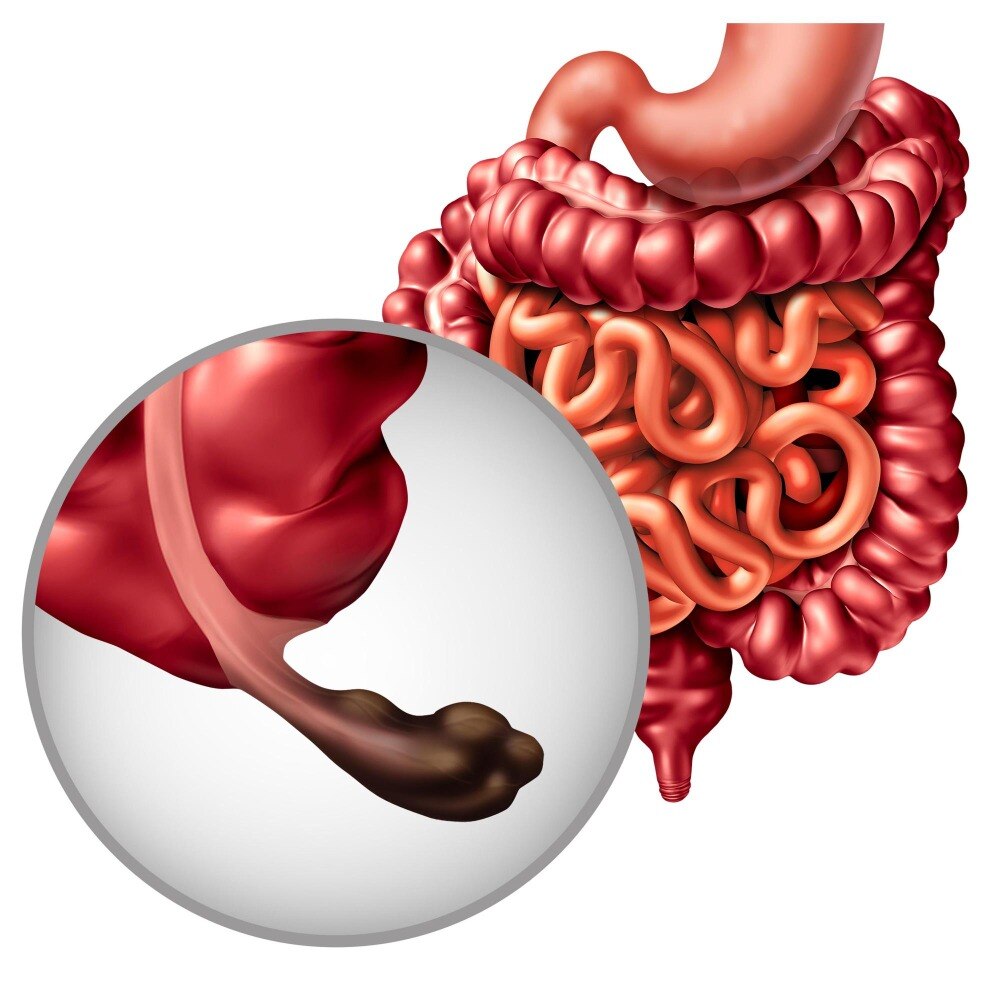
Appendicitis Appendicitis Appendicitis is the inflammation of the appendix, a small, finger-shaped pouch attached to the large intestine. |
Appendicitis surgery steps from admission to specimen testing
After admission, the surgical and anaesthesia teams review your symptoms, medicines, allergies, previous operations, medical conditions and pregnancy possibility. You remain fasting, receive an intravenous line, fluids and antibiotics when indicated, and have your vital signs monitored.
Consent covers the planned laparoscopic appendectomy and the possibility of conversion to open surgery. Ask the team to explain these specific risks:
- Bleeding
- Infection
- Bowel or nearby-organ injury
- Anaesthetic complications
- A longer operation if the appendix has perforated or formed an abscess
The appendicitis surgery steps usually follow this sequence:
- An anaesthetist gives general anaesthesia, so you are unconscious and do not feel the operation.
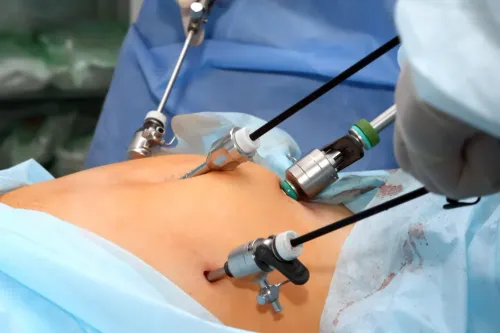
- The surgeon makes small abdominal incisions and inserts a camera and operating instruments, using carbon dioxide to create working space.
- The team identifies the appendix and separates it from surrounding tissue.
- The appendix’s blood supply is divided and sealed, and its base is securely closed before the appendix is detached.
- The removed appendix goes into a specimen bag and leaves through a port incision. The surgeon inspects the abdomen and washes it when contamination or pus requires it.
- The instruments are removed, the gas is released, and the port wounds are closed.
The appendix is labelled and sent to the pathology laboratory for histopathology. A pathologist examines thin tissue sections under a microscope to confirm appendicitis and identify unexpected findings.
Laparoscopic or open surgery: recovery, wound care and warning signs
Three small laparoscopic incisions usually cause less wound pain and allow earlier movement than one larger open incision. The surgeon may convert to an open incision when inflammation, perforation, bleeding or difficult anatomy makes that safer; conversion is a safety decision, not automatically a complication.
| Approach | Incision and hospital recovery | Activity and follow-up |
|---|---|---|
| Laparoscopic | A camera and instruments enter through small abdominal cuts; uncomplicated cases often allow early fluids, walking and discharge after observation. | Increase activity gradually; avoid heavy lifting until your surgeon clears you. Attend the scheduled wound review. |
| Open | One larger incision, usually in the right lower abdomen or through the midline, means more wound discomfort and a longer hospital recovery. | Expect a slower return to normal activity and keep the follow-up appointment for wound and abdominal assessment. |
| Converted | The operation starts laparoscopically but finishes through an open incision when safe appendix removal requires it. | Follow open-surgery restrictions and ask when driving, work and lifting are safe. |
The appendicitis surgery steps include removing the appendix, checking for contamination and sending the specimen for histopathology. Keep wounds clean and dry as instructed; do not apply creams or remove closure strips without advice. For appendix treatment in Mumbai, ask who handles after-hours surgical review and where to call after discharge.
Seek prompt reassessment for fever, increasing abdominal pain, repeated vomiting, wound redness or discharge, breathlessness, inability to eat, or inability to pass urine. Recovery takes longer after perforation or an abscess.
Frequently asked questions
How do doctors assess appendicitis pain and emergency symptoms?
They record when pain began, whether it moved from the navel to the lower-right abdomen, and whether you have nausea, vomiting, appetite loss or fever. They also examine your abdomen and check for signs of complications.
Which blood tests, urine tests and scans confirm appendicitis?
Doctors may order a complete blood count, C-reactive protein test and urine analysis. Ultrasound or a CT scan can show an inflamed appendix, an abscess or another cause of abdominal pain.
What happens during an appendicitis hospital consultation in Mumbai?
The clinician reviews your symptoms and medical history, examines your abdomen, explains test results and discusses antibiotics, observation or surgery. Emergency symptoms can require hospital admission.
What are the appendicitis surgery steps from admission to specimen testing?
After admission, the team prepares you for anaesthesia, removes the appendix through laparoscopic or open surgery, controls bleeding and closes the wounds. The removed appendix is sent to a pathology laboratory for specimen testing.
How do laparoscopic and open appendicitis surgery recovery differ?
Laparoscopic surgery uses small incisions and often allows faster movement and recovery. Open surgery uses one larger incision and can require a longer recovery. Follow wound-care instructions and report worsening pain, fever, redness, swelling or discharge.
Keywords