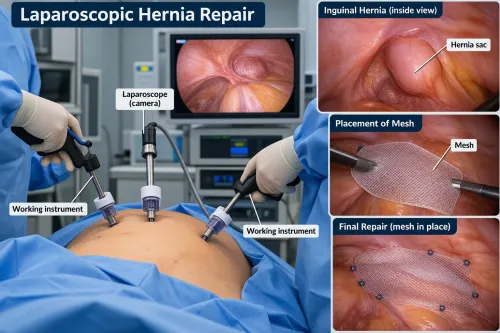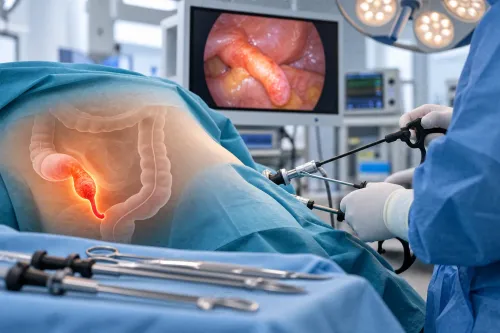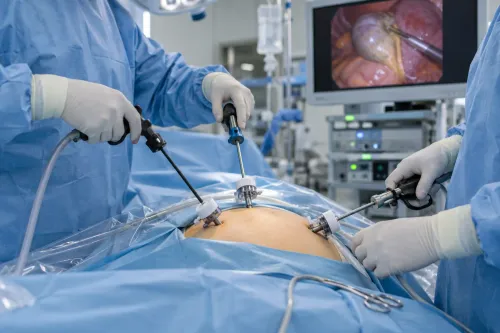
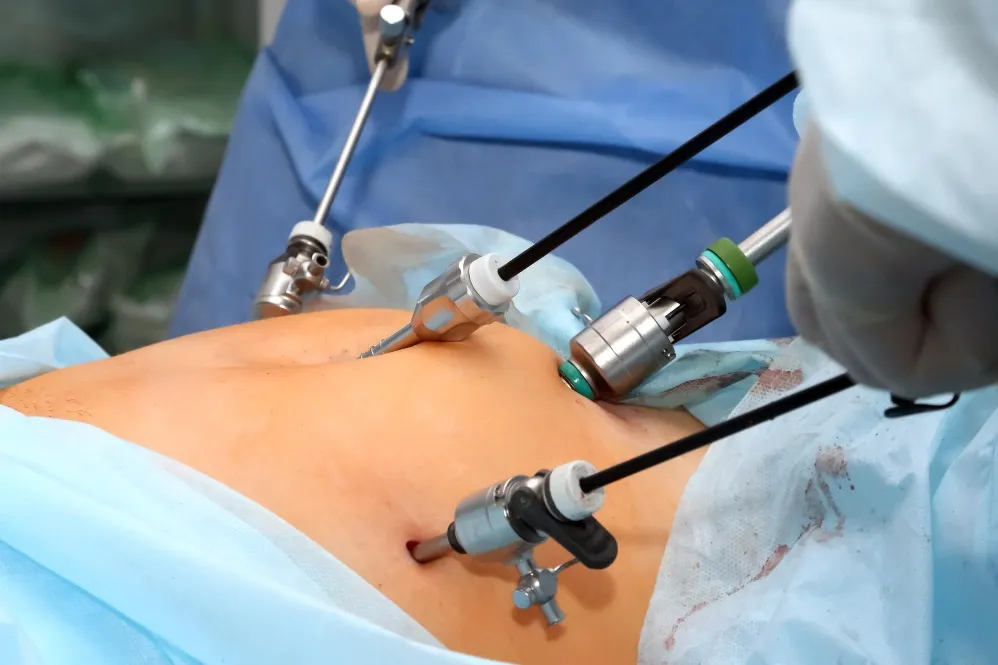
Laparoscopic surgery can be used to treat gallbladder disease, appendicitis, selected hernias and several other abdominal conditions. Because the procedures use small incisions, they are often described as minimally invasive. However, they still involve anaesthesia, internal dissection and recognised surgical risks.
Choosing an advanced laparoscopic surgery specialist should therefore be based on clinical judgement, relevant experience and communication not on promises of painless, risk-free or scarless treatment.
Look for Diagnosis-Specific Expertise
The term “laparoscopic specialist” covers a wide range of operations. A surgeon experienced in routine gallbladder removal may not necessarily manage every complex abdominal-wall reconstruction or advanced gastrointestinal condition.
Ask whether the surgeon regularly treats your specific diagnosis. Relevant questions include:
- How is the diagnosis confirmed?
- Is surgery necessary at this stage?
- What non-operative options exist?
- Is laparoscopy suitable for my anatomy?
- What circumstances would require open surgery?
- Where will the procedure be performed?
- What follow-up will be provided?
Clear answers should relate to the patient’s scans, symptoms and health rather than rely on general claims about technology.
Evaluate the Entire Surgical Setting
A safe operation depends on more than the individual surgeon. The hospital should have suitable anaesthesia services, trained operating-room staff, sterilisation protocols, recovery monitoring and access to emergency support.
For planned surgery, patients can ask whether overnight admission may be required and how unexpected complications are managed. Those with diabetes, heart disease, lung problems or blood-thinning medication may need additional preparation.
Expect Balanced Information About Laparoscopy
Laparoscopic procedures often use several small incisions and may support earlier mobility and a different recovery experience than open surgery. Benefits vary by procedure and patient.
Open surgery may be safer when there is extensive infection, severe inflammation, dense scar tissue, difficult anatomy or unexpected bleeding. A responsible specialist prepares the patient for that possibility.
For example, the NHS appendicitis guidance and American College of Surgeons hernia guidance both recognise that operative approach depends on clinical circumstances rather than a single technique being appropriate for everyone.
Assess Communication and Consent
Good communication is particularly important when discussing sensitive conditions. Patients should feel able to describe bowel symptoms, groin swelling, breast concerns or previous surgical experiences without embarrassment.
A meaningful consent discussion covers:
- The exact name of the operation
- Expected benefits
- Reasonable alternatives
- Common and serious risks
- Anaesthesia
- Possibility of conversion
- Recovery limitations
- Warning signs after discharge
- Costs included in the treatment plan
Patients may take notes or bring a trusted family member. They should never feel pressured to decide before their questions are answered.
Consider the Needs of Patients Seeking a Female Surgeon
Some women and men feel more comfortable discussing piles, groin conditions or other intimate concerns with a female surgeon. Respectful care should include privacy, permission before examination and the option of a chaperone where appropriate.
Dr Janhavi Kapadia provides general, laser-assisted and minimally invasive surgical evaluation for patients in Navi Mumbai, Maharashtra, as well as surrounding Mumbai service areas. Recommendations are based on diagnosis and suitability rather than an automatic preference for laparoscopy.
Signs That You Are Ready to Proceed
A patient is better prepared for surgery when the diagnosis is clear, test results have been reviewed, medicines have been discussed and home support has been arranged. The patient should also understand that individual recovery cannot be guaranteed.
Seek another opinion if the diagnosis remains unclear, alternatives are dismissed without explanation or unrealistic promises are made. Advanced surgical care is defined by careful patient selection and sound judgement as much as by equipment.
Keywords