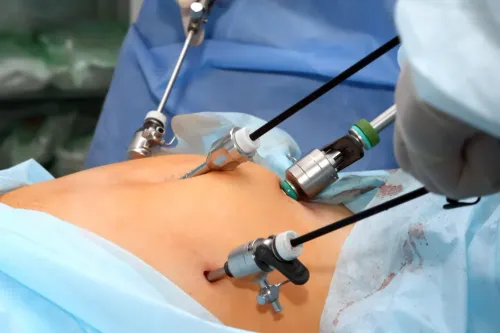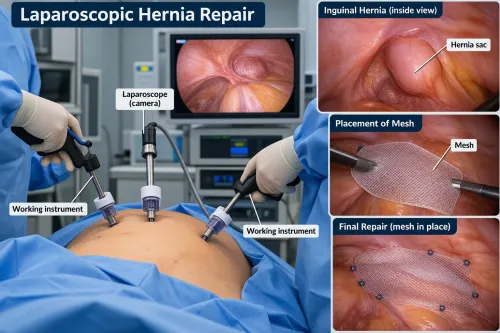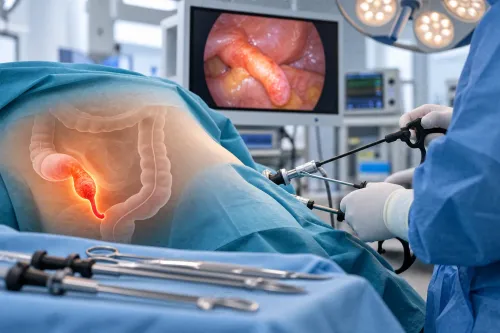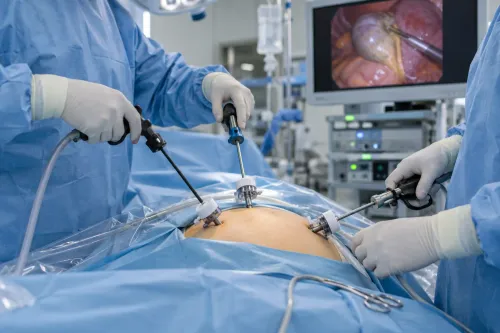
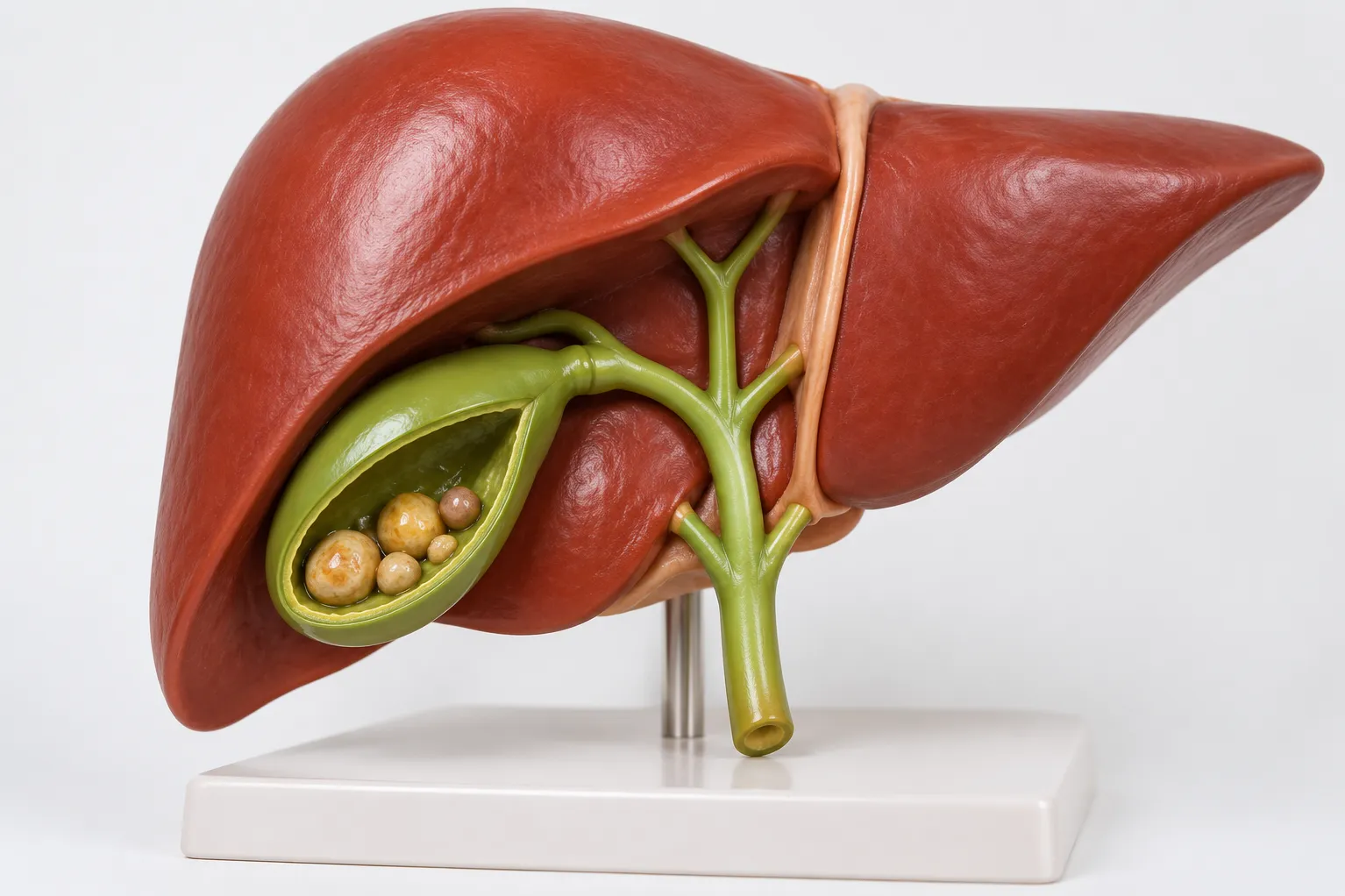
Once cholecystectomy surgery for gallstones has been recommended, good preparation can reduce avoidable confusion and help the surgical team plan safely. Cholecystectomy removes the gallbladder, usually through a laparoscopic approach, to treat symptomatic stones or related complications.
The following checklist helps patients prepare for consultation, admission and early recovery. Individual hospital instructions always take priority.
Bring the Right Medical Information
Carry copies of ultrasound reports, blood tests, previous discharge summaries and any imaging discs requested by the surgeon. Tell the team about earlier episodes of jaundice, pancreatitis, fever or hospital admission.
Prepare an accurate list of:
- Prescription medicines
- Non-prescription painkillers
- Vitamins and supplements
- Blood-thinning medicines
- Diabetes medication or insulin
- Drug, food or adhesive allergies
- Previous operations and anaesthesia problems
Do not stop aspirin, anticoagulants or other prescribed medicines independently. The surgeon and anaesthetist will provide condition-specific instructions.
Clarify Whether More Tests Are Needed
An ultrasound usually identifies gallstones, but additional tests may be required when there is concern about stones in the common bile duct. Liver-function abnormalities, jaundice or a widened bile duct can change the treatment sequence.
Patients should ask whether they need:
- Repeat blood tests
- ECG or chest assessment
- Anaesthesia clearance
- Additional bile-duct imaging
- Endoscopic removal of a duct stone
- Treatment for an active infection before surgery
Follow Fasting Instructions Exactly
The hospital will specify when to stop solid food and clear liquids. These instructions are designed to reduce anaesthetic risks. Guessing or following generic internet advice can lead to cancellation or unsafe conditions.
Patients with diabetes require a specific medication and fasting plan. They should confirm it with the treating team in advance.
Prepare for the Possibility of Open Surgery
Most planned operations can be completed laparoscopically, but severe inflammation, scar tissue, bleeding or unclear anatomy may require an open incision.
The NHS gallbladder-removal guidance outlines possible complications, including infection and digestive symptoms, while hospital-specific consent should cover risks such as bleeding, bile leakage and bile-duct injury.
Understanding conversion before surgery prevents the patient from seeing it as an unexpected failure. The surgeon’s priority is safe completion of treatment.
Organise the First Few Days at Home
Before admission:
- Arrange for an adult to take you home
- Keep prescribed medicines accessible
- Prepare simple meals
- Plan help with children or dependent family members
- Avoid scheduling strenuous work immediately
- Keep the hospital contact details available
- Choose loose clothing that does not press on the abdomen
Patients should not drive until they can safely control the vehicle and are no longer affected by anaesthesia or medicines. The treating team and motor-insurance requirements should guide the decision.
Know the Warning Signs
After discharge, seek medical guidance for worsening abdominal pain, persistent vomiting, fever, jaundice, breathing difficulty, increasing wound redness or discharge. Mild soreness is expected, but progressive illness is not a routine part of recovery.
Dr Janhavi Kapadia provides preoperative evaluation for patients considering gallbladder surgery in Sion, Mumbai, Maharashtra. The process includes reviewing imaging, explaining laparoscopic cholecystectomy and identifying factors that may alter the operation or recovery.
A prepared patient can participate more effectively in informed consent. Bring written questions, clarify anything that feels uncertain and make sure the postoperative plan is understood by both the patient and the family member providing support.
Keywords