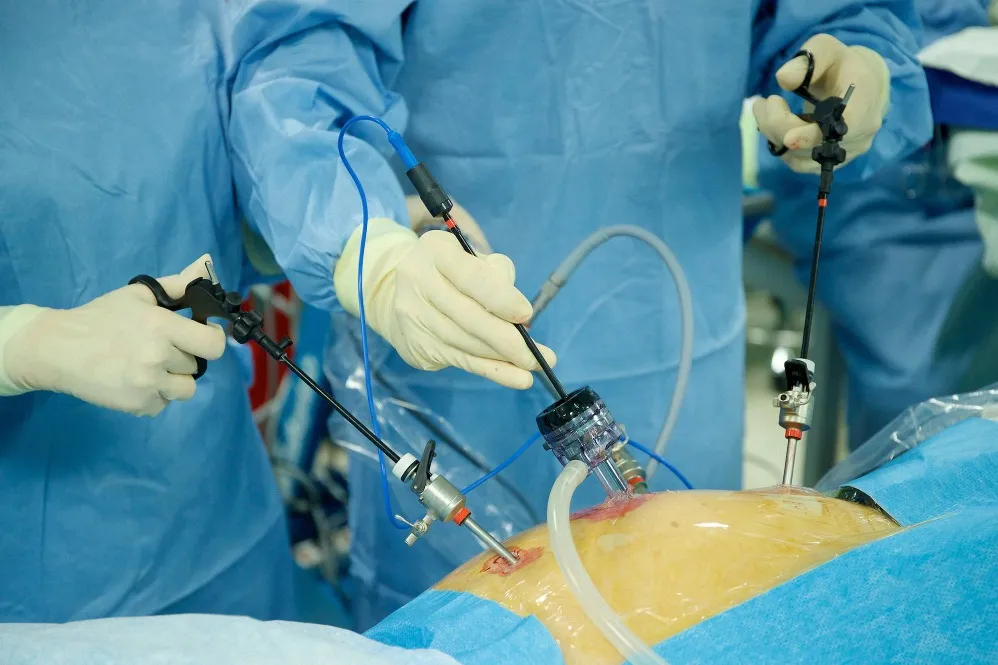
A hernia may begin as a small bulge that causes little discomfort, but it rarely heals on its own. Over time, it can become larger, more painful, and may even lead to serious complications if left untreated. Thanks to modern surgical advancements, advanced laparoscopic hernia repair offers an effective and minimally invasive solution for many patients, allowing faster recovery and reduced postoperative discomfort.
If you are exploring options for advanced laparoscopic hernia repair in Kurla or nearby locations such as Sion, Chembur, Byculla, Vashi Naka, or Navi Mumbai, understanding the condition and available treatment options can help you make confident healthcare decisions.
What Is a Hernia?
A hernia occurs when an internal organ or fatty tissue pushes through a weak area in the surrounding muscle or connective tissue. Although hernias can develop in different parts of the body, they are most commonly seen in the abdomen and groin.
A hernia may gradually increase in size, especially when the abdominal muscles are strained through heavy lifting, chronic coughing, obesity, or prolonged constipation.
Unlike many minor health issues, a hernia does not disappear with medication or exercise. Surgical repair remains the only permanent treatment.
Common Types of Hernias
Several types of hernias require surgical evaluation.
These include:
- Inguinal hernia: Occurs in the groin and is more common in men.
- Femoral hernia: Develops near the upper thigh and is more frequently seen in women.
- Umbilical hernia: Appears around the belly button.
- Incisional hernia: Forms near a previous surgical scar.
- Epigastric hernia: Develops between the breastbone and the navel.
Each type varies in size, symptoms, and treatment approach, making an accurate diagnosis essential.
Symptoms That Should Not Be Ignored
Some hernias cause only mild discomfort initially, while others become painful during daily activities.
Common symptoms include:
- A visible bulge that becomes more noticeable when standing
- Pain while lifting heavy objects
- Discomfort during coughing or sneezing
- A feeling of pressure or heaviness in the abdomen
- Burning or aching sensation near the swelling
- Groin discomfort during walking or exercise
If a hernia becomes trapped or loses its blood supply, it can turn into a medical emergency requiring immediate surgery.
Warning signs include:
- Severe abdominal pain
- Sudden increase in swelling
- Redness over the hernia
- Vomiting
- Fever
- Inability to push the bulge back in
Why Laparoscopic Hernia Repair Is Widely Preferred
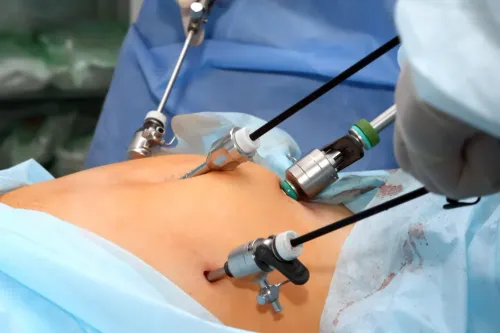
Modern laparoscopic surgery has transformed hernia treatment by allowing surgeons to repair the defect through small incisions rather than one large cut.
A high-definition camera provides a detailed view of the affected area, while specialized instruments are used to repair the weakened abdominal wall. In many cases, a surgical mesh is placed to strengthen the repair and reduce the likelihood of recurrence.
This minimally invasive approach has become a preferred option for many suitable patients.
Benefits of Advanced Laparoscopic Hernia Repair
Compared with traditional open surgery, laparoscopic hernia repair offers several potential advantages.
These include:
- Smaller surgical incisions
- Reduced postoperative pain
- Less blood loss
- Faster wound healing
- Lower risk of infection
- Minimal scarring
- Earlier return to work
- Shorter hospital stay
Not every hernia is suitable for laparoscopic repair. Factors such as the size of the hernia, previous surgeries, and overall health influence the choice of treatment.
Preparing for Hernia Surgery
Before recommending surgery, the surgeon performs a detailed assessment to understand the nature of the hernia and the patient's overall health.
The evaluation may include:
- Physical examination
- Ultrasound or CT scan when required
- Blood investigations
- Review of previous surgeries
- Assessment of existing medical conditions
- Discussion of medications currently being taken
This thorough evaluation helps ensure the safest surgical approach for each individual.
Recovery After Laparoscopic Hernia Surgery
Recovery following minimally invasive surgery is generally quicker than with conventional techniques.
Patients are usually encouraged to:
- Walk soon after surgery if medically appropriate
- Stay hydrated
- Eat a balanced, fiber-rich diet
- Avoid lifting heavy weights for several weeks
- Follow wound care instructions carefully
- Attend scheduled follow-up visits
Most patients gradually return to their normal routine within a few weeks, although recovery time varies depending on the complexity of the repair and individual health factors.
Can a Hernia Come Back?
Although modern surgical techniques have significantly reduced recurrence rates, no procedure can completely eliminate the possibility.
Certain factors may increase the risk of recurrence, including:
- Smoking
- Obesity
- Chronic constipation
- Persistent coughing
- Heavy physical work before complete healing
- Poor control of diabetes
Following postoperative instructions and maintaining a healthy lifestyle play an important role in long-term success.
Choosing the Right Hernia Surgeon
Selecting an experienced surgeon is an important step toward achieving the best possible outcome.
Consider the following when making your decision:
- Expertise in advanced laparoscopic procedures
- Accurate diagnosis of the hernia type
- Individualized surgical planning
- Access to modern operating facilities
- Comprehensive postoperative care
- Clear communication about risks, benefits, and recovery
Patients often feel more reassured when they understand why a specific treatment approach has been recommended.
Accessible Surgical Care for Nearby Communities
People living in Kurla and neighboring areas such as Sion, Chembur, Byculla, Vashi Naka, and Navi Mumbai often prefer receiving treatment close to home, making consultations and follow-up visits more convenient.
For individuals diagnosed with abdominal or groin hernias, Dr Janhavi Kapadia offers evaluation and advanced laparoscopic hernia repair based on the patient's symptoms, examination findings, and overall medical condition. A personalized treatment plan ensures that every patient receives care suited to their specific needs rather than a one-size-fits-all approach.
Frequently Asked Questions
Can a hernia heal without surgery?
No. A hernia does not close on its own. Surgery is the only permanent treatment to repair the weakened abdominal wall.
Is laparoscopic hernia surgery painful?
Because the procedure uses small incisions, most patients experience less postoperative pain compared to traditional open surgery.
How long does the surgery take?
Most laparoscopic hernia repairs are completed within one to two hours, depending on the type and complexity of the hernia.
When should I consult a surgeon?
A visible bulge, persistent pain, increasing discomfort, or symptoms that interfere with daily activities should be evaluated promptly to prevent complications and determine the most appropriate treatment plan.
Keywords