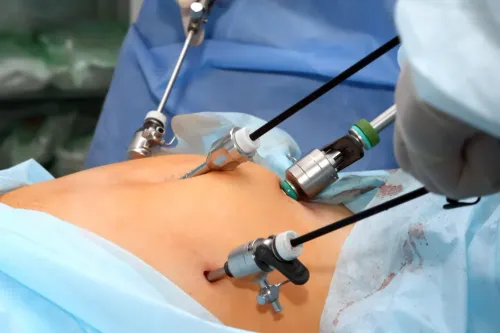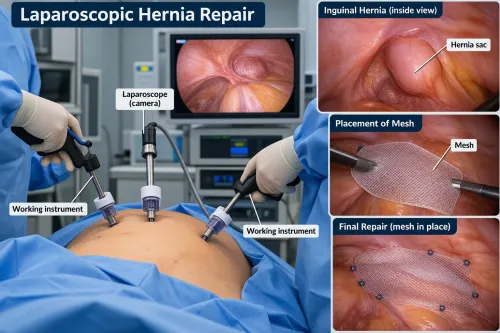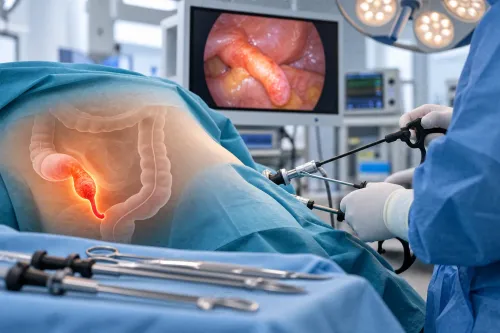
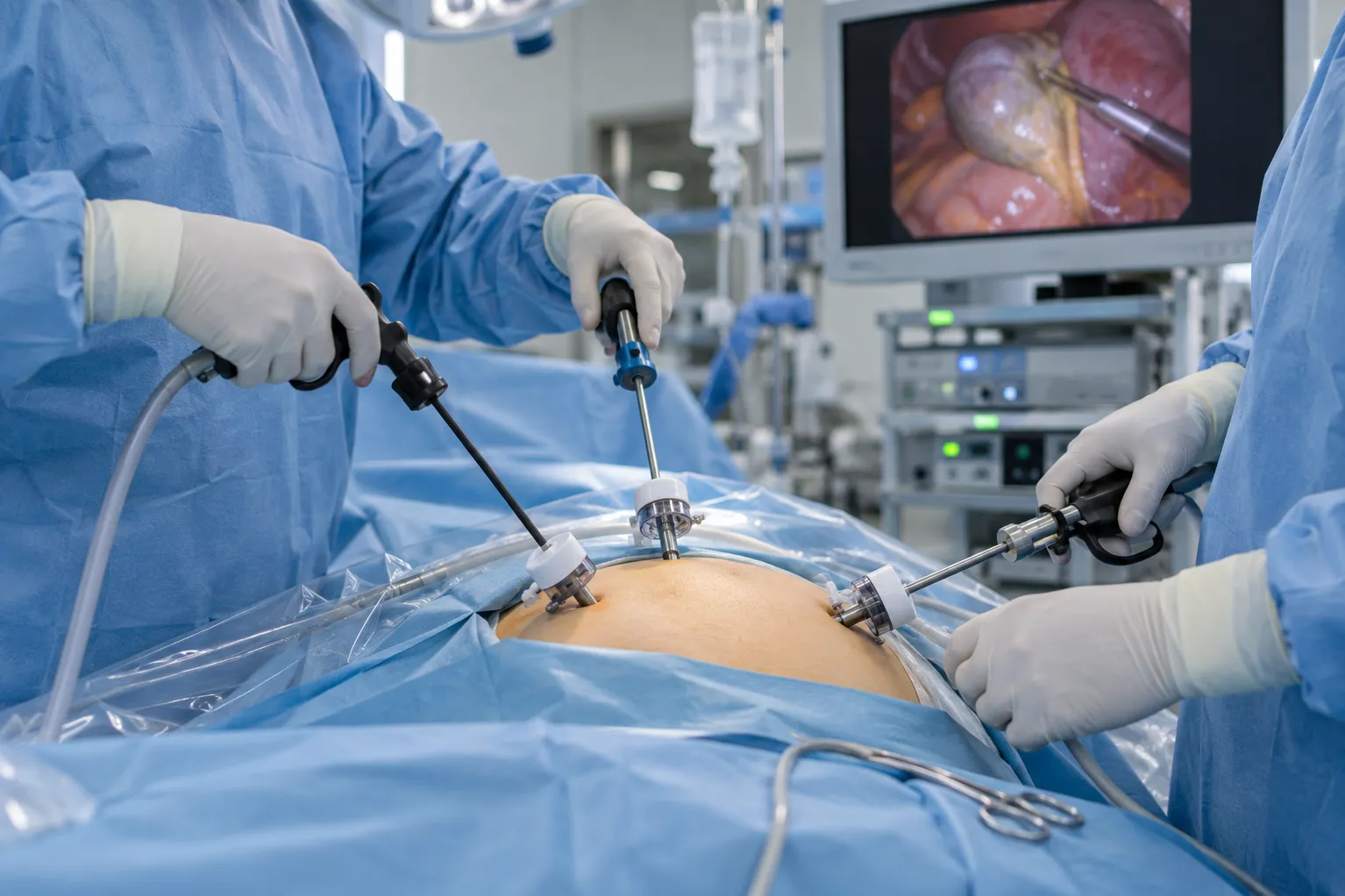
Keyhole surgery is the usual operative approach for many gallbladder conditions. It uses small incisions, a camera and long instruments to remove the gallbladder. The medical term is laparoscopic cholecystectomy.
Patients often choose it because they expect smaller scars and faster recovery. Those are reasonable considerations, but suitability depends on the disease, previous operations and what the surgeon finds during the procedure.
Conditions Commonly Treated With Gallbladder Removal
Keyhole surgery may be recommended for:
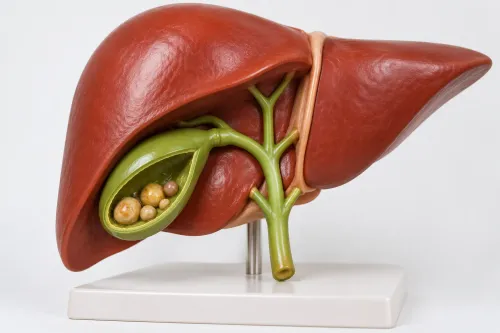
- Recurrent pain caused by gallstones
- Acute or chronic gallbladder inflammation
- Gallstone-related pancreatitis after stabilisation
- Certain gallbladder polyps
- Selected functional gallbladder disorders
- Complications caused by stones entering the bile ducts
An ultrasound showing stones does not automatically mean surgery is required. The surgeon must determine whether the symptoms are consistent with gallbladder disease and whether observation carries an acceptable risk.
What the Operation Involves
Under general anaesthesia, the abdomen is gently inflated with carbon dioxide to create operating space. A camera provides a magnified view, and the surgeon identifies the gallbladder’s duct and blood supply before dividing them and removing the organ.
Careful identification of the anatomy is central to safe surgery. If inflammation or scar tissue makes the structures difficult to distinguish, the surgeon may modify the operation, use additional imaging, perform a subtotal procedure or convert to open surgery.
When Open Surgery May Be Necessary
Factors that can make keyhole surgery more difficult include:
- Severe acute inflammation
- Dense adhesions from earlier surgery
- Unexpected bleeding
- Abnormal anatomy
- A suspected gallbladder cancer
- Injury or concern involving the bile duct
- Extensive infection or tissue damage
Conversion to open surgery gives the surgeon wider access. Patients should understand this possibility before providing consent.
The Guy’s and St Thomas’ NHS Foundation Trust lists bleeding, infection, bile leakage, bile duct injury and the need for open surgery among recognised risks that should be discussed.
How to Prepare
Preparation may involve blood tests, liver-function testing, anaesthesia review and instructions about fasting. The medical team should know about blood thinners, diabetes medicines, allergies and previous abdominal surgery.
Patients should arrange transport after discharge and practical help at home. A person who lives alone may need extra planning for meals, medicines and daily activities during early recovery.
Recovery Expectations
Small incisions do not mean there has been no internal surgery. Walking is usually encouraged, but lifting and strenuous exercise must be resumed according to medical instructions.
Temporary shoulder-tip discomfort can occur because of the gas used during laparoscopy. Mild abdominal soreness and digestive changes are also possible. Fever, jaundice, worsening pain, persistent vomiting, breathing difficulty or wound discharge requires medical advice.
Dr Janhavi Kapadia discusses keyhole surgery for gallbladder conditions with patients in Sion and nearby Mumbai areas in Maharashtra. Consultation includes reviewing symptoms, scans, health conditions and the possibility that a different operative approach may be safer.
A well-informed patient understands both the advantages and the limitations of laparoscopy. The objective is not to preserve a keyhole approach at all costs; it is to complete the necessary treatment as safely as the clinical situation permits.
Keywords