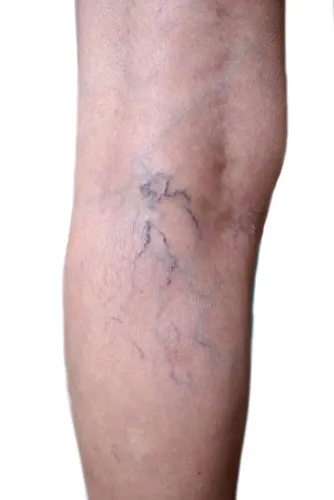
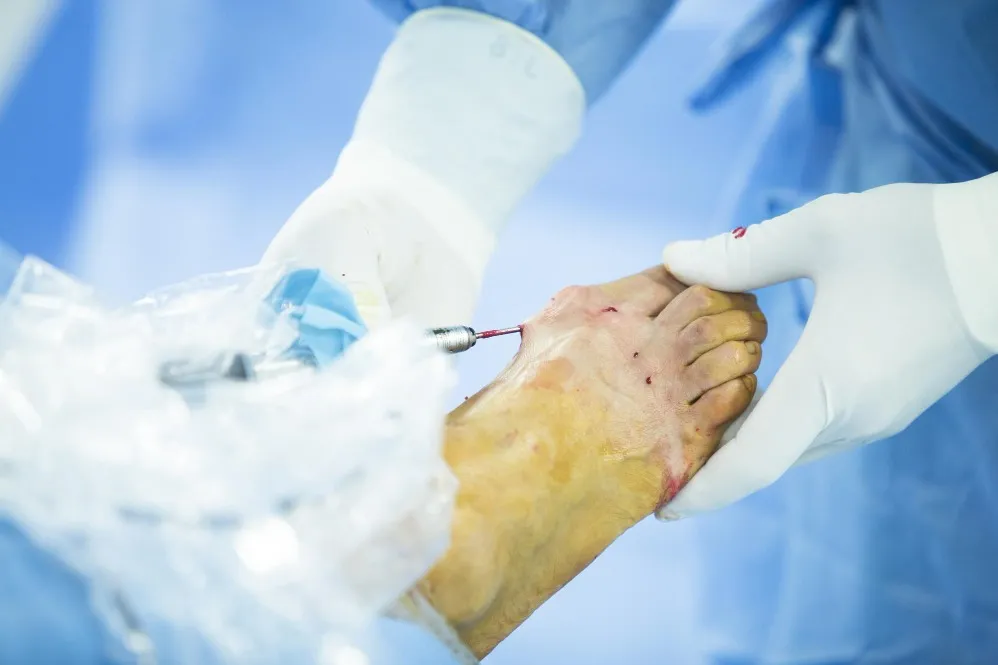
Diabetic foot problems often begin with something that appears minor — a small wound, blister, or area of redness. However, because diabetes can affect circulation and sensation, these issues may progress faster than expected. Consulting for diabetic foot surgery for infection and wound complications can help prevent serious consequences and preserve long-term mobility.
When wounds fail to heal properly, infection may spread to deeper tissues. In some cases, surgical treatment becomes necessary to remove infected tissue, improve healing conditions, and prevent further complications. The earlier the condition is identified, the greater the chances of avoiding more extensive treatment.
In Kurla, many patients managing diabetes may not realize the importance of regular foot examinations. Persistent swelling, discharge, skin discoloration, or worsening ulcers should always be evaluated promptly.
Successful diabetic foot management often combines wound care, infection control, blood sugar management, and surgical intervention when required. The goal is to protect healthy tissue while supporting recovery and maintaining function.
Dr Janhavi Kapadia takes a comprehensive approach to diabetic foot conditions, focusing on early diagnosis, careful treatment planning, and patient education. Understanding the condition is often the first step toward better outcomes.
If you have diabetes and are dealing with a wound that is slow to heal or showing signs of infection, delaying treatment can increase the risk of complications.
For those in Kurla seeking professional diabetic foot care and surgical guidance, a consultation can help ensure timely and appropriate treatment.
Keywords