Painful hemorrhoids can make even the simplest daily activities uncomfortable. Sitting for long periods, walking, passing stools, or even resting may become difficult when piles become swollen and inflamed. While mild hemorrhoids often improve with dietary changes and medications, persistent pain or repeated flare-ups usually indicate that a more comprehensive medical evaluation is needed.
If you are searching for expert treatment for painful hemorrhoids in Vashi Naka or nearby locations such as Sion, Chembur, Kurla, Byculla, and Navi Mumbai, understanding when to move beyond home remedies can help prevent complications and improve your quality of life.
Why Do Hemorrhoids Become Painful?
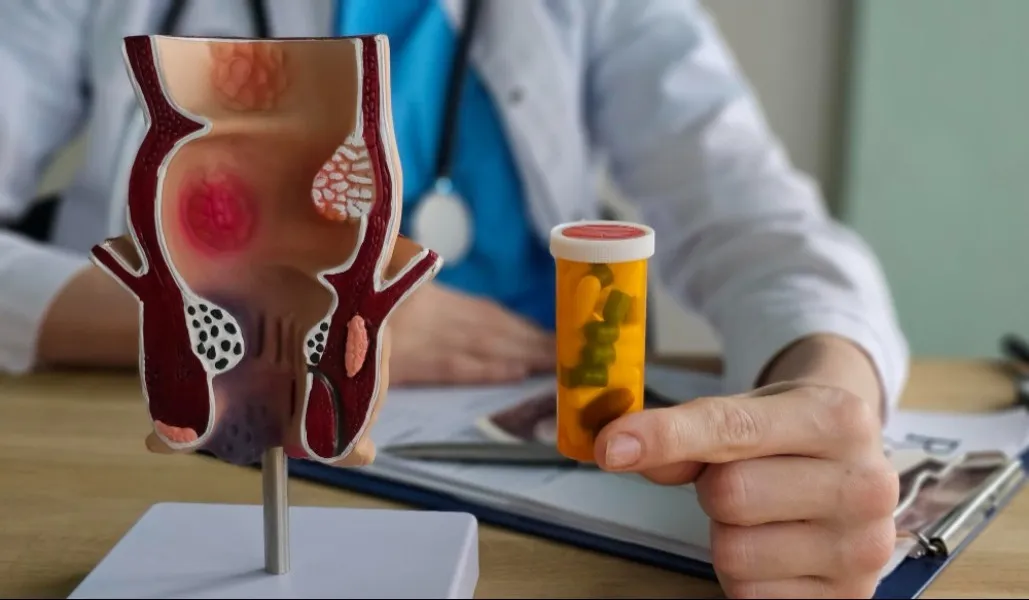
Hemorrhoids are swollen veins in the lower rectum or around the anus. Increased pressure on these veins causes them to enlarge, leading to discomfort and inflammation.
Several factors contribute to the development of hemorrhoids, including:
- Chronic constipation
- Frequent straining during bowel movements
- Sitting on the toilet for extended periods
- Pregnancy
- Obesity
- Heavy lifting
- Low-fiber diet
- Lack of regular physical activity
Pain is often more noticeable when hemorrhoids become thrombosed, prolapse outside the anal canal, or develop significant inflammation.
Symptoms That Need Medical Attention
Many people hesitate to seek treatment because they assume piles are a temporary problem. However, persistent symptoms should never be ignored.
Common signs include:
- Sharp or burning pain during bowel movements
- Bright red bleeding after passing stools
- Itching around the anus
- Swelling or a painful lump
- Mucus discharge
- Difficulty sitting comfortably
- A feeling that the bowel has not emptied completely
Rectal bleeding can also occur due to other digestive conditions. A proper medical examination helps identify the exact cause rather than relying on self-diagnosis.
Why Home Remedies May Not Be Enough
Increasing fiber intake, drinking more water, warm sitz baths, and over-the-counter creams can provide temporary relief for mild hemorrhoids.
However, these measures may not resolve:
- Large hemorrhoids
- Recurrent bleeding
- Prolapsed hemorrhoids
- Thrombosed hemorrhoids
- Long-standing symptoms
- Persistent pain affecting daily life
Delaying appropriate treatment may allow the condition to worsen over time.
Treatment Options for Painful Hemorrhoids
The right treatment depends on the severity of the condition and the patient's overall health.
Treatment may include:
Lifestyle and Dietary Changes
For early-stage hemorrhoids, doctors often recommend:
- High-fiber foods
- Adequate water intake
- Regular exercise
- Avoiding excessive straining
- Maintaining healthy bowel habits
Medications
Prescription medications may help reduce:
- Swelling
- Pain
- Inflammation
- Itching
These medications improve symptoms but may not permanently eliminate advanced hemorrhoids.
Minimally Invasive Procedures
Patients with moderate to severe hemorrhoids may benefit from procedures such as:
- Laser hemorrhoid treatment
- Rubber band ligation in selected cases
- Other minimally invasive surgical techniques
These procedures are designed to reduce symptoms while minimizing recovery time.
What Happens During Your Consultation?
A surgical consultation is usually straightforward and focuses on identifying the exact cause of your symptoms.
The evaluation typically includes:
- Discussion of your medical history
- Review of bowel habits
- Physical examination
- Proctoscopic examination if required
- Assessment of symptom severity
- Discussion of suitable treatment options
Every patient does not require surgery. Treatment recommendations are based on clinical findings rather than symptoms alone.
Recovery After Treatment
Recovery depends on the type of treatment performed.
Patients are generally advised to:
- Eat a fiber-rich diet
- Drink plenty of fluids
- Avoid constipation
- Walk regularly
- Take medications exactly as prescribed
- Maintain good hygiene
- Attend scheduled follow-up visits
Following these instructions helps promote healing and reduces the likelihood of recurrence.
Can Painful Hemorrhoids Return?
Successful treatment addresses the existing hemorrhoids, but lifestyle habits continue to play an important role in preventing future problems.
Simple preventive measures include:
- Consuming enough dietary fiber
- Staying hydrated throughout the day
- Exercising regularly
- Avoiding prolonged sitting
- Responding promptly to the urge for bowel movements
- Managing body weight
These habits support long-term digestive health and reduce pressure on the rectal veins.
Choosing the Right Specialist
Selecting an experienced surgeon is important, particularly when minimally invasive treatment is being considered.
Look for a specialist who offers:
- Accurate diagnosis
- Individualized treatment planning
- Experience in laser and minimally invasive procedures
- Clear explanation of available options
- Comprehensive postoperative care
Patients often feel more confident when they understand the benefits, limitations, and expected recovery associated with each treatment option.
Local Access to Specialized Care
Residents of Vashi Naka and surrounding areas such as Sion, Chembur, Kurla, Byculla, and Navi Mumbai often prefer receiving treatment close to home for easier consultations and follow-up care.
For patients experiencing persistent hemorrhoid symptoms, Dr Janhavi Kapadia provides comprehensive evaluation and treatment using modern surgical approaches tailored to each individual's condition. The focus is on relieving symptoms while selecting the least invasive option appropriate for the patient's needs.
Frequently Asked Questions
Can painful hemorrhoids heal without surgery?
Early-stage hemorrhoids often improve with lifestyle changes and medication. Advanced or recurrent hemorrhoids may require minimally invasive procedures or surgery.
Is bleeding with hemorrhoids always normal?
Although hemorrhoids commonly cause bright red bleeding, rectal bleeding should always be medically evaluated to exclude other conditions.
How long is the recovery after minimally invasive treatment?
Many patients resume routine activities within a few days, although complete healing varies depending on the procedure performed.
When should I see a surgeon?
Persistent pain, repeated bleeding, prolapsed hemorrhoids, or symptoms that interfere with daily life are strong reasons to seek a specialist evaluation before complications develop.
Keywords