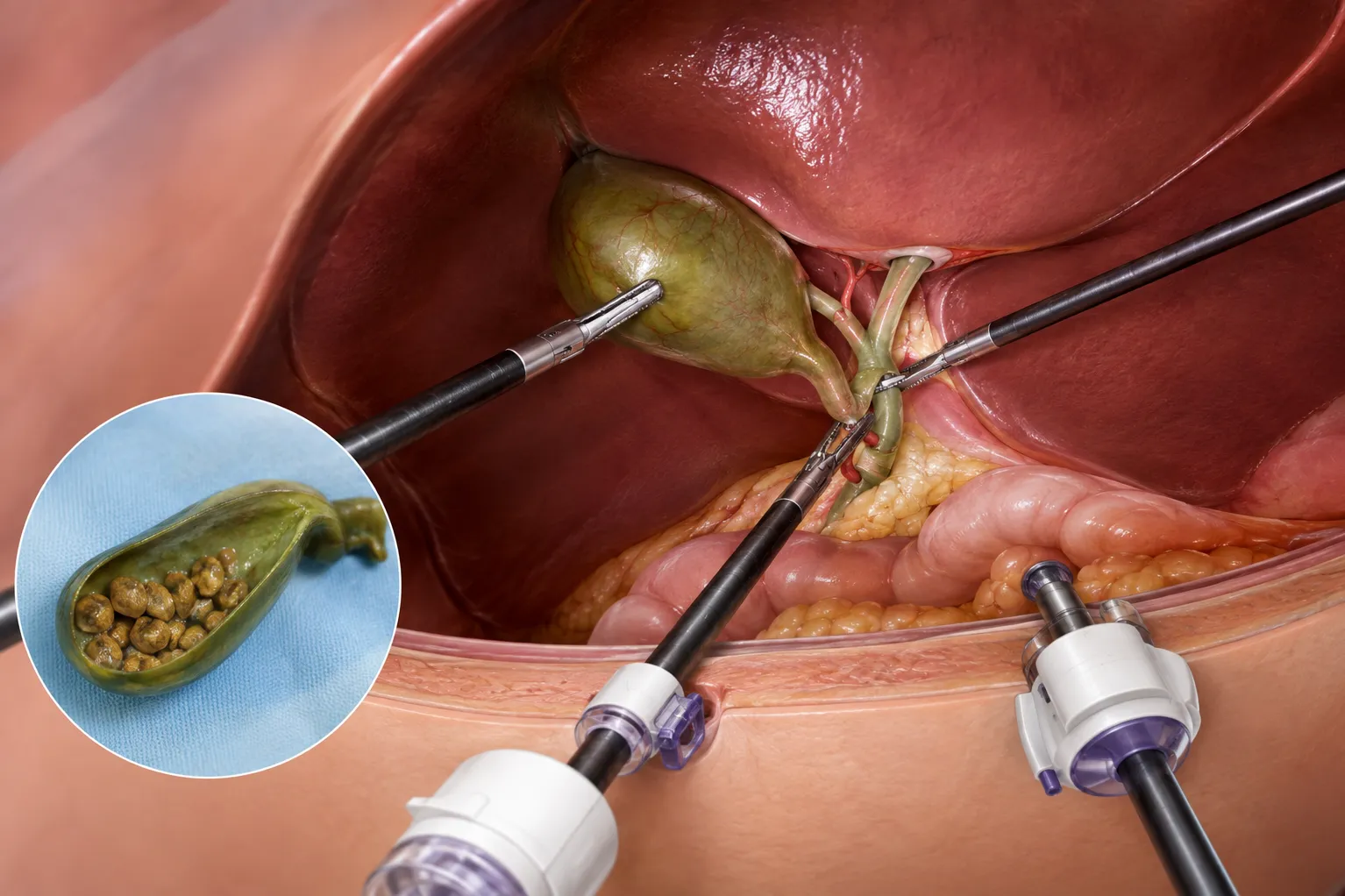
Gallbladder problems often begin with mild digestive discomfort that comes and goes. Over time, however, recurring pain after meals, nausea, or sudden attacks of severe abdominal pain may indicate a more serious condition such as gallstones or gallbladder inflammation. When these symptoms become frequent, gallbladder removal surgery is often the most effective long-term solution.
If you are looking for a gallbladder removal surgery specialist in Sion or nearby areas like Chembur, Kurla, Byculla, Vashi Naka, and Navi Mumbai, understanding when surgery is recommended can help you seek timely treatment and avoid complications.
What Does the Gallbladder Do?
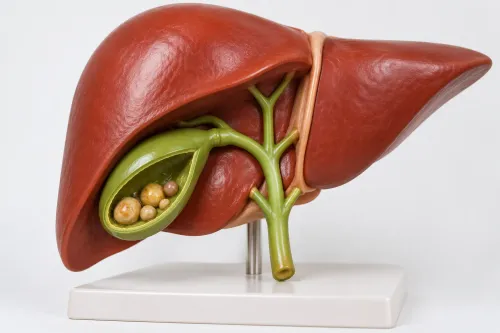
The gallbladder is a small organ located beneath the liver. Its main role is to store bile, a digestive fluid produced by the liver. When you eat fatty foods, the gallbladder releases bile into the intestine to aid digestion.
Although the gallbladder supports digestion, it is not an essential organ. People can live healthy, normal lives after its removal because the liver continues to produce bile.
Why Do Gallstones Form?
Gallstones develop when substances such as cholesterol or bilirubin become concentrated and harden inside the gallbladder.
Several factors can increase the risk, including:
- Family history of gallstones
- Obesity
- High-fat diets
- Rapid weight loss
- Diabetes
- Pregnancy
- Increasing age
Some people have gallstones without symptoms, while others experience repeated episodes of pain that require medical treatment.
Symptoms That May Indicate Gallbladder Disease
Gallbladder-related symptoms vary in severity but often become more noticeable after eating rich or oily meals.
Common symptoms include:
- Sharp pain in the upper right abdomen
- Pain spreading to the back or right shoulder
- Nausea and vomiting
- Indigestion after meals
- Bloating
- Fever during infection
- Recurrent abdominal pain lasting several hours
If gallstones block the bile duct, they can lead to serious complications that require urgent treatment.
When Is Gallbladder Removal Recommended?
Not every patient with gallstones needs surgery. Doctors usually recommend gallbladder removal when symptoms become recurrent or complications develop.
Surgery may be advised if you have:
- Repeated gallstone attacks
- Acute gallbladder inflammation
- Chronic gallbladder disease
- Gallbladder infection
- Gallstone pancreatitis
- Large symptomatic gallstones
Delaying treatment after repeated attacks may increase the risk of emergency surgery later.
How Is Gallbladder Removal Performed?
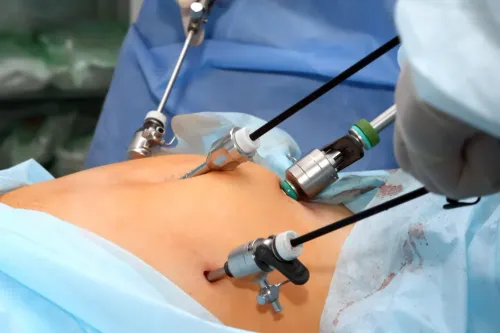
Today, most gallbladder surgeries are performed using laparoscopic or keyhole techniques.
During the procedure:
- Small incisions are made in the abdomen.
- A tiny camera provides a clear internal view.
- Specialized instruments remove the gallbladder safely.
- The incisions are closed with minimal tissue damage.
This minimally invasive approach has become the preferred treatment for suitable patients because it promotes faster recovery.
Benefits of Laparoscopic Gallbladder Surgery
Compared with traditional open surgery, laparoscopic gallbladder removal offers several advantages.
These include:
- Smaller scars
- Reduced postoperative pain
- Lower blood loss
- Faster healing
- Shorter hospital stay
- Earlier return to work
- Reduced risk of wound complications
The choice of surgical technique depends on the patient's medical condition and the complexity of the disease.
Recovery After Surgery
Recovery is usually straightforward when surgery is performed before major complications occur.
Patients are generally encouraged to:
- Walk soon after surgery
- Stay hydrated
- Begin with light meals
- Avoid heavy lifting for several weeks
- Follow wound care instructions
- Attend follow-up visits
Most patients gradually resume normal daily activities within one to two weeks, although recovery timelines vary.
Life After Gallbladder Removal
Many patients worry that digestion will be permanently affected after surgery.
In reality, most people adapt very well. The liver continues producing bile, which flows directly into the intestine. Some patients experience mild digestive changes during the first few weeks, but these usually improve with time.
Maintaining a balanced diet, staying active, and eating moderate portions can support comfortable digestion during recovery.
Choosing the Right Gallbladder Surgery Specialist
When considering surgery, it is important to select a surgeon with experience in minimally invasive abdominal procedures.
Look for:
- Expertise in laparoscopic surgery
- Comprehensive diagnostic evaluation
- Modern surgical facilities
- Clear explanation of treatment options
- Personalized postoperative care
- Regular follow-up support
An experienced surgeon will recommend surgery only when it is clinically appropriate and beneficial for the patient's long-term health.
Trusted Surgical Care Close to Home
Patients from Sion and surrounding areas such as Chembur, Kurla, Byculla, Vashi Naka, and Navi Mumbai often prefer receiving treatment locally for greater convenience during consultations, surgery, and recovery.
For individuals experiencing symptomatic gallbladder disease, Dr Janhavi Kapadia offers comprehensive evaluation and minimally invasive gallbladder surgery tailored to each patient's condition. Treatment decisions are based on detailed assessment, imaging findings, and the overall health of the individual to ensure safe and effective care.
Frequently Asked Questions
Can gallstones disappear on their own?
Most gallstones do not dissolve naturally. Symptomatic gallstones usually require medical evaluation and, in many cases, surgical removal of the gallbladder.
Is gallbladder removal a major surgery?
Although it is an important surgical procedure, laparoscopic gallbladder removal is minimally invasive and generally allows faster recovery than traditional open surgery.
Will I need to follow a special diet forever?
Most patients gradually return to a regular balanced diet after recovery, though limiting very fatty foods initially may help improve comfort.
When should I consult a surgeon?
Recurring abdominal pain after meals, repeated gallstone attacks, fever, jaundice, or persistent digestive symptoms should be evaluated promptly to determine whether surgery is necessary.
Keywords