Severe piles can affect sitting, walking, bowel movements and everyday confidence. Patients may experience repeated bleeding, significant prolapse, painful swelling or difficulty keeping the anal area clean. When medicines and less invasive procedures do not provide adequate relief, haemorrhoidectomy treatment may be considered.
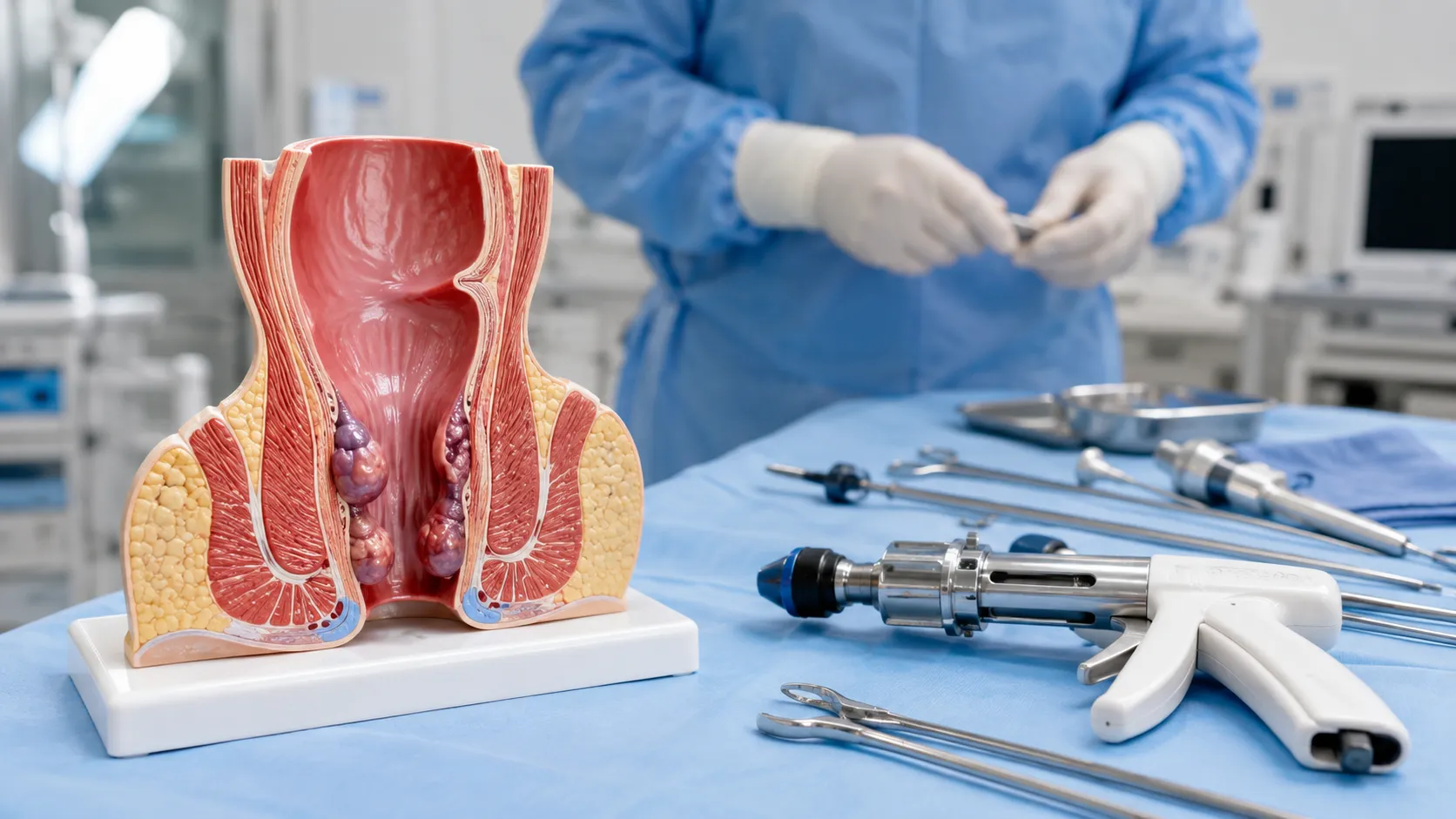
Haemorrhoidectomy is an operation in which problematic haemorrhoidal tissue is surgically removed. It is generally reserved for selected cases because recovery can involve more discomfort than office-based treatments. Its main advantage is that it allows the surgeon to address large or advanced haemorrhoids directly.
Which Patients May Need Haemorrhoidectomy?
The procedure may be evaluated when a patient has:
- Large external haemorrhoids
- Advanced internal piles that remain prolapsed
- Combined internal and external haemorrhoids
- Frequent bleeding that has not improved
- Recurrent painful clotting in external piles
- Symptoms that continue after other procedures
- Difficulty with hygiene because of prolapsing tissue
The decision should follow an examination. Rectal bleeding must not be attributed to piles without appropriate assessment, especially when it is persistent or accompanied by anaemia, weight loss or altered bowel habits.
What Happens During the Operation?
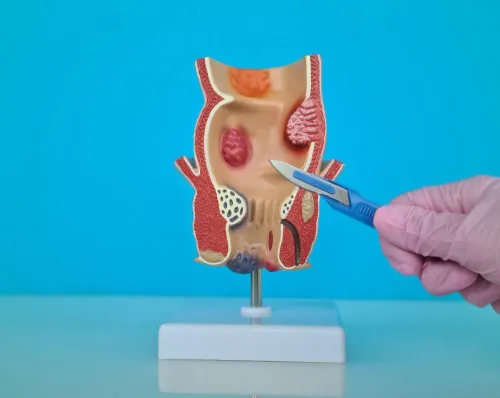
Haemorrhoidectomy is performed under anaesthesia. The surgeon identifies the enlarged haemorrhoidal tissue, controls its blood supply and removes the affected portion while protecting important anal structures.
Different operative techniques may be used. In an open haemorrhoidectomy, the surgical areas may be left to heal naturally. In a closed procedure, some wounds are sutured. The selection depends on the haemorrhoid pattern, tissue condition and the surgeon’s judgement.
Patients sometimes ask whether laser treatment can replace conventional surgery. Laser-assisted procedures may be appropriate in selected cases, but advanced prolapse or substantial external disease can require excisional treatment. The most suitable operation is determined by anatomy and severity not by the popularity of a particular technology.
Preparing for Treatment
Before surgery, patients should tell the surgeon about diabetes, hypertension, allergies, pregnancy, previous operations and all medicines or supplements being taken. Blood-thinning medication must never be stopped without medical instructions.
Preoperative preparation may include blood tests, anaesthesia assessment and fasting directions. The surgical team may also provide instructions regarding bowel preparation or medicines, although requirements vary.
Patients travelling from Sion or nearby Mumbai neighbourhoods should arrange transport home and plan for help during the first few days.
Managing the Recovery Period
Pain after haemorrhoidectomy is expected, especially during bowel movements. A planned combination of pain relief, stool regulation and wound care can make recovery more manageable.
Patients may be advised to:
- Take prescribed pain medicine on schedule
- Use a stool softener if recommended
- Eat fibre-rich meals
- Drink sufficient water unless medically restricted
- Avoid straining during bowel movements
- Use warm sitz baths for comfort
- Keep the area clean and dry
- Avoid heavy lifting until cleared
A small amount of bleeding or discharge may occur during early healing. However, heavy bleeding, worsening swelling, high fever, inability to urinate or severe uncontrolled pain should be reported promptly.
Preventing Constipation After Surgery
Fear of pain can cause some patients to postpone bowel movements, which makes stools harder and discomfort worse. The NIDDK’s haemorrhoid guidance notes that fibre can help make stools softer and easier to pass. Fibre should usually be increased gradually, and individual fluid advice may differ for people with kidney or heart conditions.
Choosing Appropriate Surgical Care
A consultation should cover the exact procedure, alternatives, expected discomfort, time away from work and possible complications. Dr Janhavi Kapadia provides general and laparoscopic surgical evaluation for patients in Sion, Mumbai, Maharashtra, including those who prefer to discuss sensitive symptoms with a female surgeon.
Haemorrhoidectomy can provide meaningful relief in properly selected patients, but recovery requires realistic expectations and careful aftercare. A personalised examination remains the safest way to determine whether an operation is necessary or whether a less invasive treatment could address the condition.
Keywords