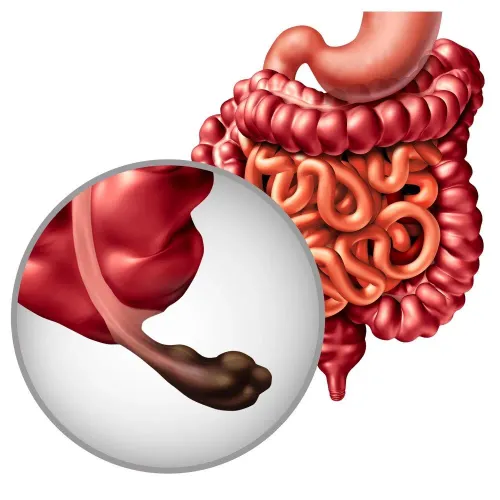
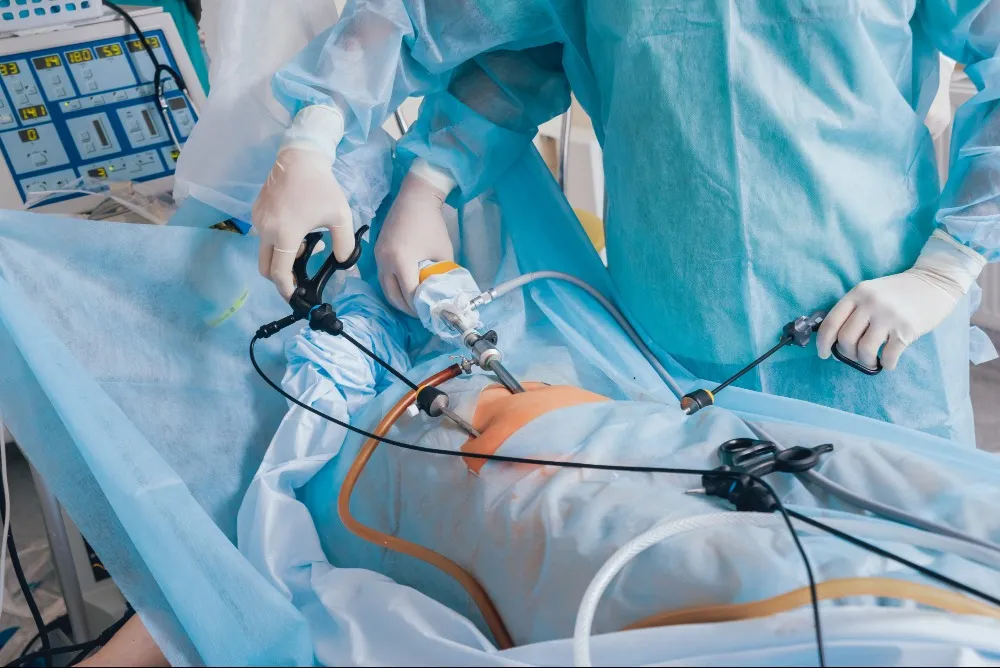
Appendicitis occurs when the appendix becomes inflamed and infected. It commonly begins with discomfort near the centre of the abdomen that later shifts towards the lower right side. The pain may worsen with movement, coughing or pressure. Nausea, vomiting, appetite loss and fever can also occur.
Laparoscopic appendix removal for appendicitis is now widely used, but open surgery remains necessary in some situations. Understanding the difference helps patients and families make sense of the surgical plan during what is often an urgent hospital admission.
How Laparoscopic Appendicectomy Is Performed
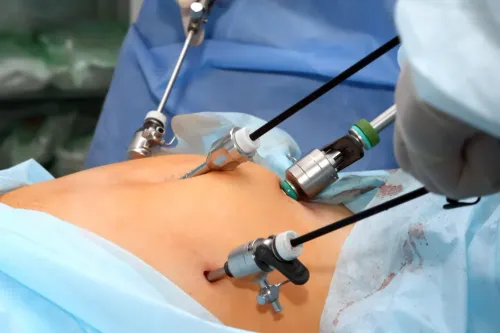
The operation is carried out under general anaesthesia. Through a few small abdominal incisions, the surgeon introduces a camera and instruments, identifies the appendix, seals its attachment to the bowel and removes it.
The camera also allows inspection of the abdominal cavity. This can be helpful when symptoms are not completely typical or when another cause of abdominal pain needs to be considered.
Potential benefits may include smaller wounds, easier inspection of the abdomen and, for suitable patients, a relatively quicker return to routine activity. Outcomes depend on whether the appendix has ruptured, the extent of infection and the patient’s overall condition.
How Open Appendix Surgery Differs
During open appendicectomy, the surgeon makes a larger incision, usually in the lower right abdomen. Open surgery may be chosen from the beginning or become necessary after a laparoscopic operation has started.
It may be preferred when there is:
- Extensive infection
- A ruptured appendix
- A large abscess
- Difficult or unclear anatomy
- Dense scar tissue from earlier operations
- A need for wider access to clean the abdomen
- An anaesthetic or technical consideration
The NHS appendicitis guidance notes that appendicectomy is usually performed using small cuts and a camera, although a larger incision may sometimes be required. If the appendix has burst, the abdominal area is cleaned during surgery.
Is Antibiotic Treatment an Alternative?
Antibiotics are part of treatment for appendicitis, particularly around surgery. In selected uncomplicated cases, non-operative antibiotic treatment may be discussed. It is not suitable for everyone, and appendicitis can return after treatment without removal.
A ruptured appendix, widespread infection or deterioration generally requires a different level of intervention. The decision must be made by the treating surgical team after reviewing scans, blood tests and clinical signs.
Comparing Recovery
Recovery after uncomplicated laparoscopic surgery is usually different from recovery after rupture, abscess drainage or open surgery. A patient with advanced infection may need intravenous antibiotics, closer monitoring and a longer hospital stay regardless of incision size.
After discharge, instructions commonly address wound care, pain relief, food, movement and return to work. Mild soreness and temporary changes in bowel habits can occur. Increasing abdominal pain, persistent vomiting, fever, wound pus or marked swelling should be reported.
Questions Families Should Ask
In an emergency setting, brief but direct questions can provide clarity:
- Does the scan suggest rupture or an abscess?
- Is laparoscopic surgery expected to be feasible?
- Why might open surgery become necessary?
- Will a drain be required?
- How long are antibiotics likely to continue?
- What warning signs should be watched for after discharge?
Patients travelling from Sion and nearby parts of Mumbai, Maharashtra, should seek emergency evaluation rather than waiting for a routine clinic appointment when appendicitis is suspected.
Dr Janhavi Kapadia evaluates acute surgical conditions and performs laparoscopic procedures where clinically appropriate. The safest approach to appendicitis is determined by the stage of infection and findings during surgery, not by a preference for one incision type alone.
Keywords