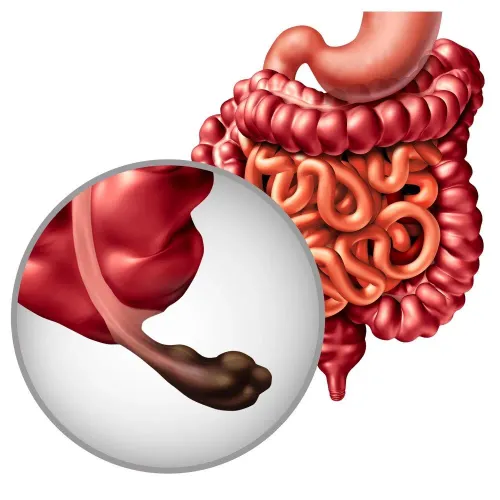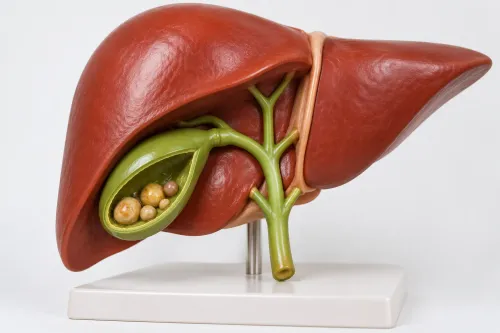
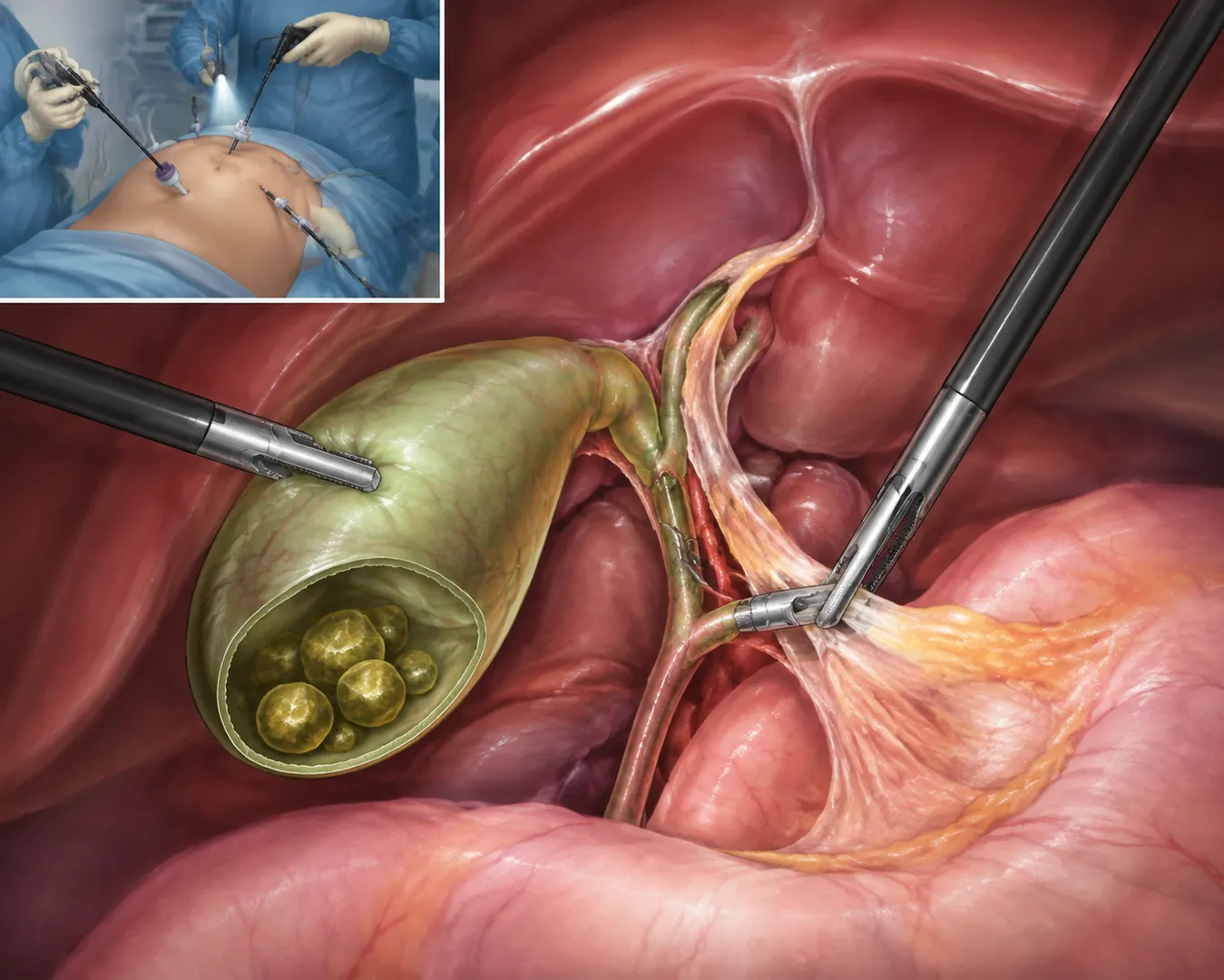
Gallstones may remain silent for years, but they can also block the normal flow of bile and cause sudden upper abdominal pain. When attacks recur or complications develop, laparoscopic gallbladder removal for gallstones may be recommended.
The operation is called a laparoscopic cholecystectomy. It removes the entire gallbladder through small abdominal incisions. Removing only the stones is generally not the standard solution because the gallbladder can continue forming stones.
Symptoms That May Point to Gallstones
Typical gallstone pain is often felt in the upper right or upper middle abdomen. It may develop after a heavy meal and can spread to the back or right shoulder. Some patients experience nausea or vomiting.
Medical evaluation becomes urgent when pain is accompanied by:
- Fever or chills
- Yellowing of the skin or eyes
- Dark urine or pale stools
- Persistent vomiting
- Severe pain lasting several hours
- Increasing abdominal tenderness
- Confusion, weakness or fainting
These features may indicate gallbladder inflammation, bile duct obstruction, infection or pancreatitis. They should not be managed solely with home remedies.
How the Diagnosis Is Confirmed
The surgeon reviews the location and pattern of pain, performs an abdominal examination and evaluates test results. An ultrasound commonly helps identify gallstones and signs of inflammation.
Blood tests may assess infection, liver function and pancreatic involvement. Additional imaging can be needed if a stone is suspected in the common bile duct or if the ultrasound findings do not fully explain the symptoms.
What Happens During Laparoscopic Surgery?
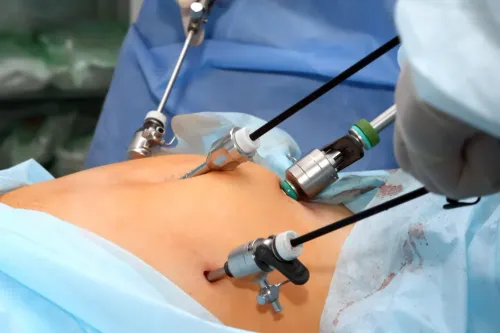
Laparoscopic gallbladder removal is performed under general anaesthesia. The surgeon makes several small incisions and introduces a camera and specialised instruments. The gallbladder is separated carefully and removed through one of the openings.
The operation often remains entirely laparoscopic. Occasionally, inflammation, scar tissue, bleeding or unclear anatomy makes conversion to an open incision the safer option. Conversion is a surgical safety decision rather than a failed operation.
The NHS overview of gallbladder removal explains that cholecystectomy may be performed through keyhole or open surgery and that preparation, recovery and potential complications should be discussed beforehand.
Can a Person Live Normally Without a Gallbladder?
Yes. The liver continues producing bile after the gallbladder is removed. Instead of being stored and concentrated in the gallbladder, bile flows more continuously into the intestine.
Many patients return to a normal diet after recovery. Temporary digestive changes can occur, so smaller and lighter meals may feel more comfortable initially. Persistent diarrhoea, worsening pain or repeated vomiting should be discussed with the treating team.
What Recovery Usually Requires
The length of hospital stay and recovery differs according to the severity of disease, the type of surgery and the patient’s general health. Patients are encouraged to walk as advised because gentle movement supports circulation and recovery.
Postoperative instructions commonly cover:
- Wound care and bathing
- Pain medicine
- Meal progression
- Driving restrictions
- Work and lifting limitations
- Follow-up appointments
- Warning signs requiring medical attention
Patients with desk-based work may return sooner than those whose jobs involve lifting or strenuous physical activity. Individual clearance from the surgeon is more reliable than a fixed online recovery timeline.
Making an Informed Decision
Patients in Chembur and surrounding areas of Mumbai, Maharashtra, should ask why surgery is being recommended, whether bile duct stones are suspected and what factors might require open surgery. It is also reasonable to ask about the surgeon’s experience with laparoscopic procedures and the hospital’s emergency support.
Dr Janhavi Kapadia assesses gallstone symptoms and explains operative choices according to imaging, examination findings and overall health. Laparoscopic surgery is commonly used for symptomatic gallstones, but the decision should always follow a complete evaluation rather than an ultrasound report viewed in isolation.
Keywords