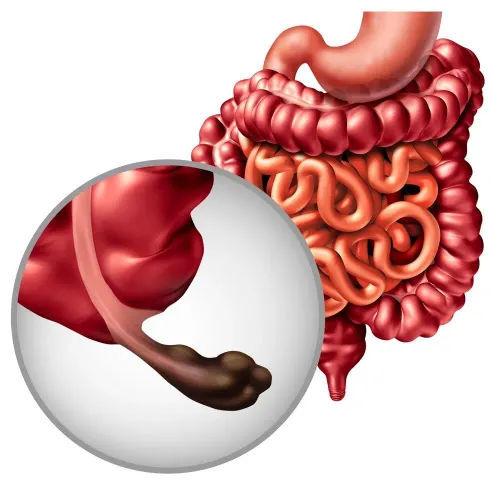
Piles, medically known as haemorrhoids, are swollen blood vessels in or around the anal canal. They may cause bleeding, itching, discomfort, mucus discharge or a lump near the anus. Although these symptoms are common, they should not automatically be assumed to be piles because fissures, infections, polyps and other bowel conditions can produce similar complaints.
A consultation with a laser piles surgery specialist in Chembur begins with confirming the diagnosis and understanding the severity of the condition. Surgery is not required for every patient, and the appropriate treatment depends on the type of haemorrhoid, degree of prolapse, symptom duration and response to previous care.
Internal and External Piles
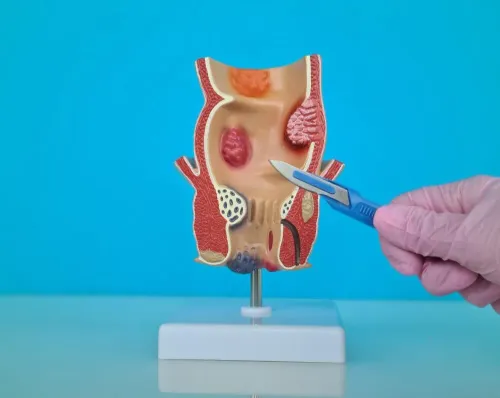
Internal haemorrhoids develop inside the anal canal. They may bleed without causing significant pain, particularly in the earlier stages. As the condition progresses, the tissue may protrude during bowel movements or remain outside the anus.
External haemorrhoids develop beneath the skin around the anal opening. They can become painful if a blood clot forms inside them. Some patients have both internal and external disease, which can influence the recommended treatment.
When Conservative Treatment May Be Enough
Mild piles often improve after correcting constipation and reducing strain during bowel movements. Initial management may include:
- Increasing dietary fibre gradually
- Drinking adequate fluids
- Avoiding prolonged sitting on the toilet
- Responding promptly to the urge to pass stool
- Using prescribed stool-softening medication
- Taking short-term medicines for pain or inflammation
- Maintaining regular physical activity
These measures remain important even when a procedure is planned because persistent constipation can contribute to recurrence.
When a Procedure May Be Considered
A surgeon may discuss procedural treatment when bleeding continues, prolapse interferes with daily activities or symptoms return despite appropriate conservative care. Treatment may also be considered for large external piles, recurrent thrombosis or advanced internal haemorrhoids.
According to the National Institute of Diabetes and Digestive and Kidney Diseases, haemorrhoidectomy may be used for large external haemorrhoids or prolapsing internal haemorrhoids that have not responded to other treatments.
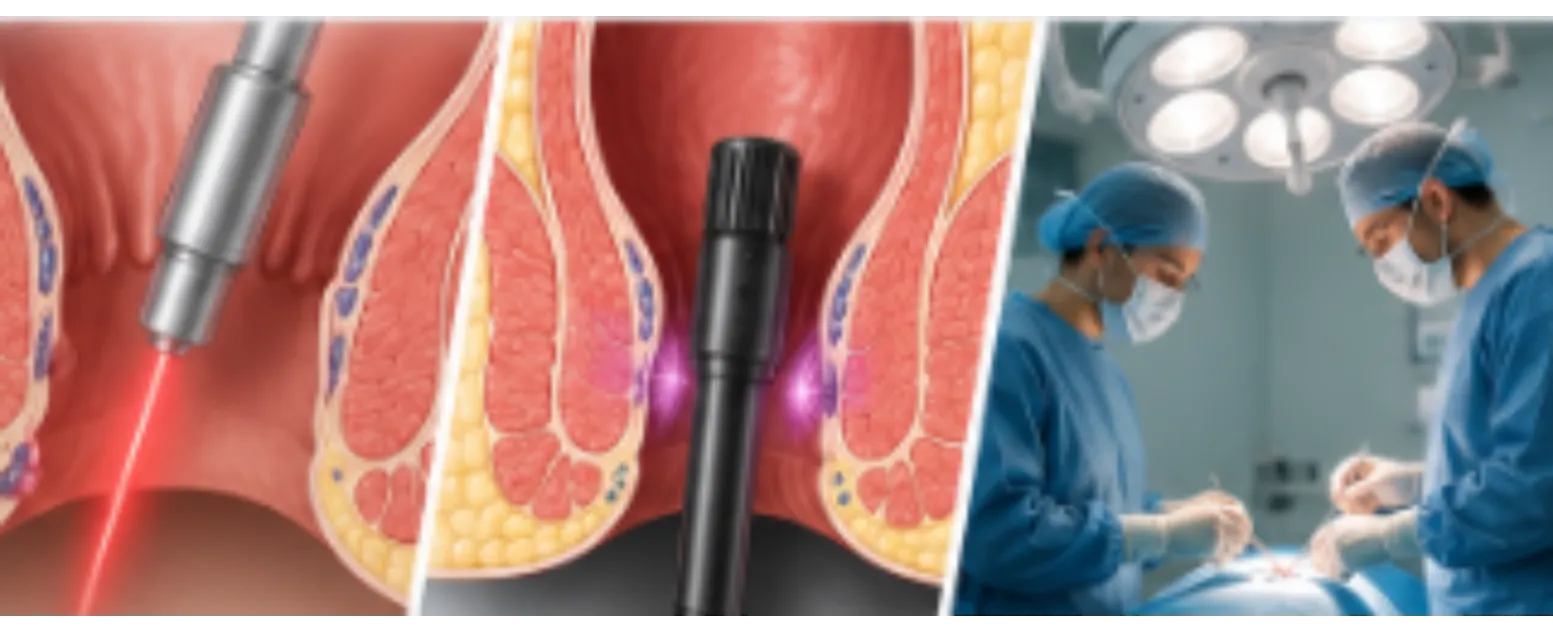
“Laser piles surgery” is an umbrella term commonly used for techniques involving laser energy. It does not describe one universal operation. Depending on the findings, treatment options may include office-based procedures, conventional haemorrhoidectomy, stapled procedures, vessel-sealing techniques or selected laser-assisted methods.
Questions to Ask Before Choosing Laser Treatment
Patients should understand exactly what has been recommended rather than selecting a procedure only because it is described as advanced or minimally invasive. Useful questions include:
- What grade and type of piles do I have?
- Is the bleeding definitely caused by haemorrhoids?
- Which procedure is being proposed?
- Why is this approach suitable for my condition?
- What anaesthesia will be required?
- What discomfort and recovery time should I expect?
- What is the possibility of recurrence?
- Could an open procedure become necessary?
The surgeon should also explain common risks, including pain, bleeding, infection, urinary difficulty and recurrence, along with any technique-specific concerns.
Seeking Care From a Female Surgeon
Some patients delay evaluation because they feel embarrassed discussing anal symptoms. Women may feel particularly comfortable consulting a female surgeon for examination and treatment. A respectful consultation should protect privacy, explain each stage of the examination and allow the patient to ask questions before proceeding.
Dr Janhavi Kapadia evaluates patients seeking piles treatment in Chembur and surrounding parts of Mumbai, Maharashtra. Treatment planning is based on clinical findings rather than the assumption that every case requires laser surgery.
Persistent rectal bleeding, unexplained weight loss, black stools, severe pain, fever or a sudden change in bowel habits requires timely medical assessment. Early evaluation helps establish the correct diagnosis and prevents patients from repeatedly self-treating a symptom whose cause has not been confirmed.
Keywords