Pain during bowel movements is often dismissed as a temporary digestive problem. However, when the pain becomes persistent, is accompanied by bleeding, swelling, or discharge, it could indicate an anal fissure or an anal fistula. Although these conditions affect the same region, they are different disorders that require different treatment approaches.
Advancements in minimally invasive surgery have made laser treatment an effective option for many patients, offering less tissue damage, quicker recovery, and improved comfort after surgery. If you are looking for laser treatment for fissure and fistula in Chembur or nearby areas such as Sion, Kurla, Byculla, Vashi Naka, or Navi Mumbai, knowing the difference between these conditions is the first step toward receiving appropriate care.
Anal Fissure and Anal Fistula: What Is the Difference?
People often confuse fissures and fistulas because both can cause discomfort around the anal region. However, they develop for different reasons.
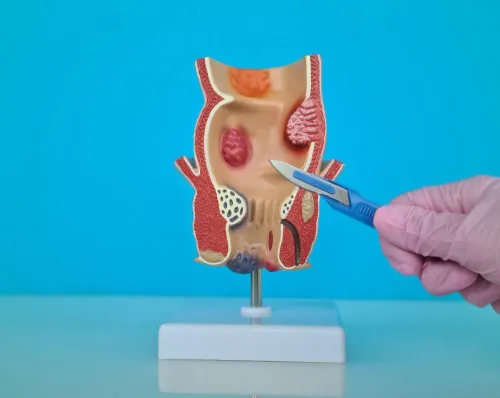
An anal fissure is a small tear in the lining of the anal canal. It usually develops after passing hard stools or due to chronic constipation.
An anal fistula is an abnormal tunnel that forms between the anal canal and the skin around the anus, often following an infection or abscess.
Since the causes and treatments differ, an accurate diagnosis is essential.
Symptoms of an Anal Fissure
An anal fissure commonly causes:
- Sharp pain during bowel movements
- Burning sensation that continues after passing stools
- Bright red bleeding on toilet paper
- Fear of bowel movements because of pain
- Visible tear around the anal opening
Acute fissures may heal with medication and lifestyle changes, while chronic fissures often require surgical intervention.
Symptoms of an Anal Fistula
A fistula usually develops after an anal abscess drains or bursts.
Common symptoms include:
- Persistent swelling near the anus
- Pus or foul-smelling discharge
- Recurrent boils around the anal area
- Pain while sitting
- Skin irritation
- Fever during active infection
Unlike fissures, fistulas generally do not heal on their own and usually require surgery.
Why Early Treatment Is Important
Delaying treatment may increase discomfort and make the condition more difficult to manage.
Untreated fissures can become chronic, causing repeated pain and muscle spasm.
Untreated fistulas may lead to:
- Recurrent infections
- Repeated abscess formation
- Continuous discharge
- Multiple fistula tracts
- Increased surgical complexity
Early diagnosis allows treatment before complications develop.
How Laser Treatment Works
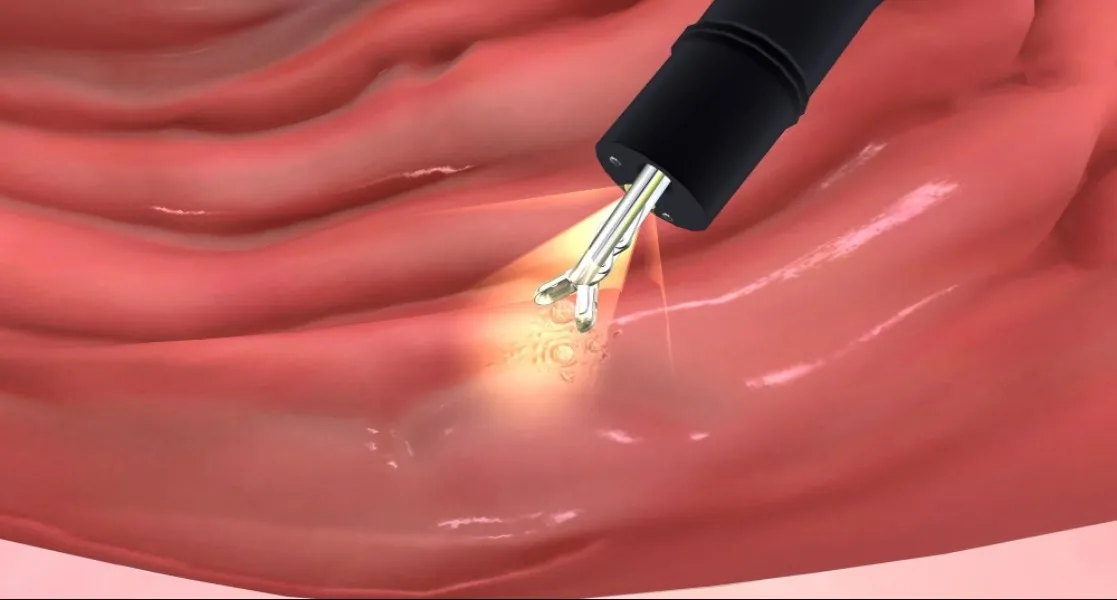
Laser surgery is a minimally invasive technique that uses focused laser energy to treat affected tissues with greater precision.
For suitable patients, laser treatment may help by:
- Minimizing tissue injury
- Reducing bleeding
- Preserving surrounding healthy tissue
- Lowering postoperative discomfort
- Supporting faster wound healing
The choice of treatment depends on whether the patient has a fissure or a fistula, along with its severity and complexity.
Who May Benefit from Laser Treatment?
Laser procedures may be considered for patients who have:
- Chronic anal fissures
- Recurrent anal fistulas
- Persistent pain despite medication
- Frequent infections
- Difficulty performing daily activities because of symptoms
A detailed examination helps determine whether laser surgery is the most appropriate treatment option.
Diagnosis Before Treatment
A thorough evaluation is necessary before planning surgery.
Your surgeon may recommend:
- Medical history assessment
- Physical examination
- Proctoscopic examination when appropriate
- Imaging tests for complex fistulas
- Evaluation of previous treatments
- Assessment of associated medical conditions such as diabetes
Accurate diagnosis ensures that treatment addresses the underlying problem rather than only relieving symptoms.
Recovery After Laser Surgery
Recovery varies depending on the condition being treated, but most patients benefit from a relatively quicker return to normal activities.
During recovery, patients are usually advised to:
- Drink plenty of water
- Eat a high-fiber diet
- Avoid constipation
- Take prescribed medications
- Maintain good hygiene
- Use warm sitz baths if recommended
- Attend follow-up appointments
Following postoperative instructions carefully supports healing and helps reduce the risk of recurrence.
Can Fissures and Fistulas Be Prevented?
While not every case can be prevented, healthy bowel habits reduce the risk of several anorectal conditions.
Helpful measures include:
- Eating fiber-rich foods daily
- Staying well hydrated
- Avoiding excessive straining
- Exercising regularly
- Treating constipation promptly
- Seeking medical advice for persistent pain or discharge
Ignoring symptoms for long periods often allows the condition to worsen.
Choosing the Right Specialist
Treatment success depends not only on the procedure but also on accurate diagnosis and appropriate surgical planning.
When selecting a surgeon, consider:
- Experience in anorectal surgery
- Expertise in minimally invasive laser procedures
- Comprehensive preoperative evaluation
- Individualized treatment planning
- Ongoing postoperative care
Patients benefit from understanding all available treatment options before making a decision.
Specialized Care for Patients in Chembur and Nearby Areas
Residents of Chembur and neighboring locations including Sion, Kurla, Byculla, Vashi Naka, and Navi Mumbai often prefer receiving specialized surgical care close to home for easier consultations and follow-up visits.
For patients experiencing chronic fissures or anal fistulas, Dr Janhavi Kapadia provides detailed evaluation and treatment using modern minimally invasive techniques whenever clinically appropriate. Every treatment plan is tailored to the patient's diagnosis, symptoms, and overall health to achieve safe and effective outcomes.
Frequently Asked Questions
Is every fissure treated with surgery?
No. Many acute fissures heal with medication, dietary changes, and improved bowel habits. Surgery is generally considered for chronic or persistent cases.
Can a fistula heal without surgery?
Most anal fistulas require surgical treatment because the abnormal tract usually does not close on its own.
Is laser treatment less painful than traditional surgery?
Laser procedures often involve less tissue damage, which may result in reduced postoperative discomfort and faster recovery for suitable patients.
When should I consult a surgeon?
Persistent anal pain, repeated bleeding, swelling, pus discharge, or symptoms that continue despite medication should be evaluated promptly to determine the most appropriate treatment approach.
Keywords