Gallbladder problems often begin with occasional discomfort after meals but can gradually progress into persistent pain, inflammation, or infection if left untreated. Gallstones are among the most common reasons people require gallbladder surgery, and today, minimally invasive laparoscopic surgery has become the preferred treatment for most patients.
If you are searching for minimally invasive gallbladder surgery in Chembur or nearby areas such as Sion, Kurla, Byculla, Vashi Naka, or Navi Mumbai, understanding when surgery is needed and what recovery involves can help you make informed healthcare decisions.
Understanding the Gallbladder and Its Function
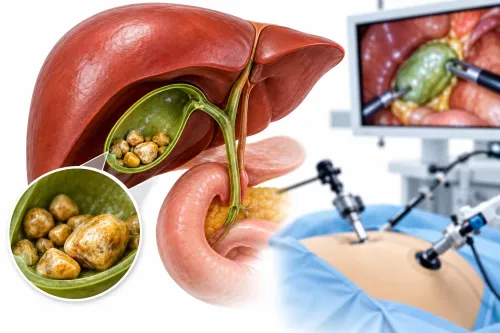
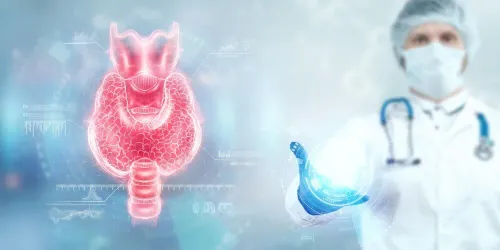
The gallbladder is a small organ located beneath the liver. It stores bile, a digestive fluid that helps break down fats. When you eat, especially fatty foods, the gallbladder releases bile into the small intestine to aid digestion.
Gallstones develop when substances in bile, such as cholesterol or bilirubin, harden into small stones. While some people never experience symptoms, others may develop severe pain and complications that require surgical treatment.
Common Symptoms of Gallbladder Disease
Gallbladder problems can present differently from one person to another. Some symptoms may come and go, while others become progressively worse.
Typical warning signs include:
- Sudden pain in the upper right abdomen
- Pain that spreads to the back or right shoulder
- Nausea and vomiting
- Indigestion after fatty meals
- Bloating
- Fever in cases of infection
- Repeated episodes of abdominal discomfort
Ignoring these symptoms may increase the risk of inflammation, blocked bile ducts, pancreatitis, or gallbladder infection.
When Is Gallbladder Surgery Recommended?
Not every gallstone requires surgery. Many people have silent gallstones that never cause symptoms. Surgery is generally recommended when gallstones lead to recurring pain or complications.
A surgeon may advise gallbladder removal if you experience:
- Frequent gallstone attacks
- Acute or chronic gallbladder inflammation
- Gallbladder polyps of concern
- Blocked bile ducts
- Infection
- Gallstone-related pancreatitis
Early treatment often prevents emergency situations that require urgent surgery.
What Is Minimally Invasive Gallbladder Surgery?
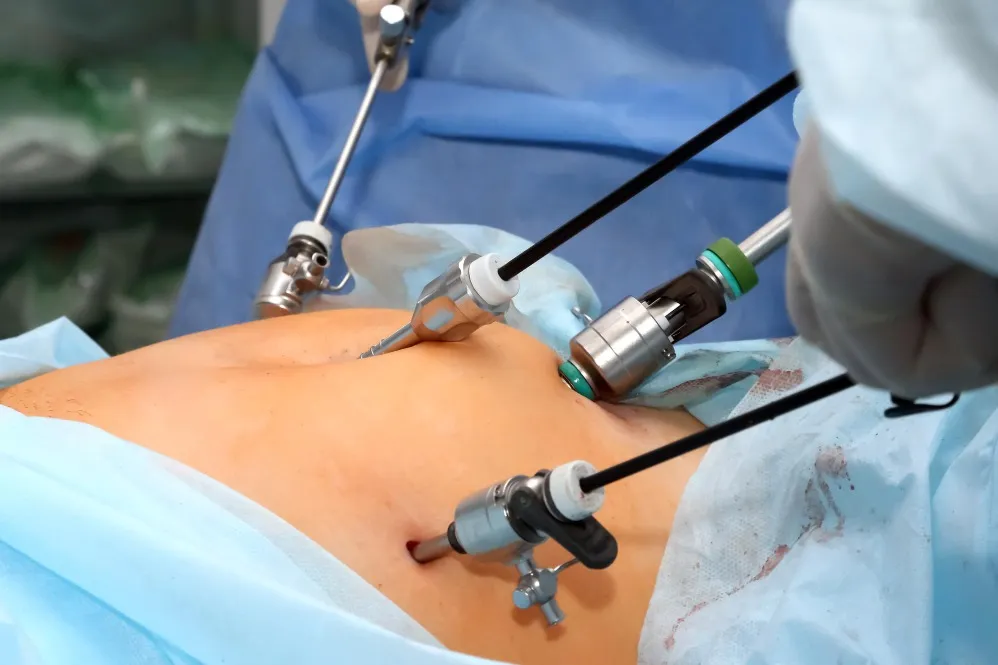
Laparoscopic gallbladder removal, also known as keyhole surgery, involves removing the gallbladder through a few small incisions instead of one large surgical cut.
A tiny camera provides a clear view of the surgical area while specialized instruments allow the surgeon to safely remove the gallbladder with minimal disruption to surrounding tissues.
This approach has become the standard treatment for most gallbladder conditions because of its safety profile and faster recovery.
Benefits of Laparoscopic Gallbladder Surgery
Compared with traditional open surgery, minimally invasive procedures offer several advantages.
These include:
- Smaller incisions
- Less postoperative pain
- Reduced blood loss
- Lower risk of wound complications
- Faster recovery
- Shorter hospital stay
- Minimal scarring
- Earlier return to normal activities
The exact recovery experience depends on individual health and the complexity of the surgery.
Preparing for the Procedure
Before surgery, your doctor may recommend several evaluations to ensure the procedure can be performed safely.
These commonly include:
- Physical examination
- Blood investigations
- Ultrasound of the abdomen
- ECG when appropriate
- Review of current medications
- Assessment of existing medical conditions such as diabetes or hypertension
Following the surgeon's preoperative instructions helps reduce the risk of complications.
Recovery After Gallbladder Removal
Most patients recover well following laparoscopic surgery.
During recovery, patients are generally advised to:
- Walk gently on the same day if permitted
- Drink adequate fluids
- Eat light meals initially
- Avoid lifting heavy objects
- Keep surgical wounds clean
- Attend follow-up appointments
- Gradually resume normal physical activity
Many individuals return to desk-based work within one to two weeks, although recovery timelines vary depending on overall health and the nature of the procedure.
Can You Live Normally Without a Gallbladder?
Yes. The liver continues to produce bile even after the gallbladder is removed. Instead of being stored, bile flows directly into the intestine.
Most people adapt well without long-term digestive issues. Some may temporarily notice mild digestive changes after fatty meals, but these usually improve over time with appropriate dietary adjustments.
Choosing an Experienced Gallbladder Surgery Specialist
When selecting a surgeon, consider factors beyond convenience alone.
Important considerations include:
- Experience with laparoscopic procedures
- Thorough diagnostic evaluation
- Clear explanation of treatment options
- Modern surgical facilities
- Comprehensive postoperative care
- Personalized treatment planning
Patients often feel more confident when they fully understand both the procedure and the expected recovery process.
Local Surgical Care Close to Home
People living in Chembur, Sion, Kurla, Byculla, Vashi Naka, and Navi Mumbai often prefer receiving treatment close to where they live. Nearby access simplifies consultations, diagnostic tests, surgery, and follow-up visits while making recovery more comfortable.
For patients requiring gallbladder surgery, Dr Janhavi Kapadia provides comprehensive evaluation and minimally invasive surgical care based on each patient's symptoms, imaging findings, and overall health. Individualized treatment planning helps ensure that surgery is recommended only when it offers the greatest benefit.
Frequently Asked Questions
Is gallbladder surgery always necessary for gallstones?
No. Surgery is usually advised only when gallstones cause pain, repeated attacks, infection, or other complications.
How long does laparoscopic gallbladder surgery take?
The procedure generally takes between 45 minutes and 90 minutes, depending on the complexity of the case.
Will I need to stay in the hospital?
Many patients are discharged within 24 hours, although some may require a slightly longer stay depending on their recovery and medical condition.
Can gallstones return after surgery?
Once the gallbladder is removed, gallstones cannot form inside it again. However, maintaining a healthy lifestyle supports overall digestive health and long-term well-being.
Keywords