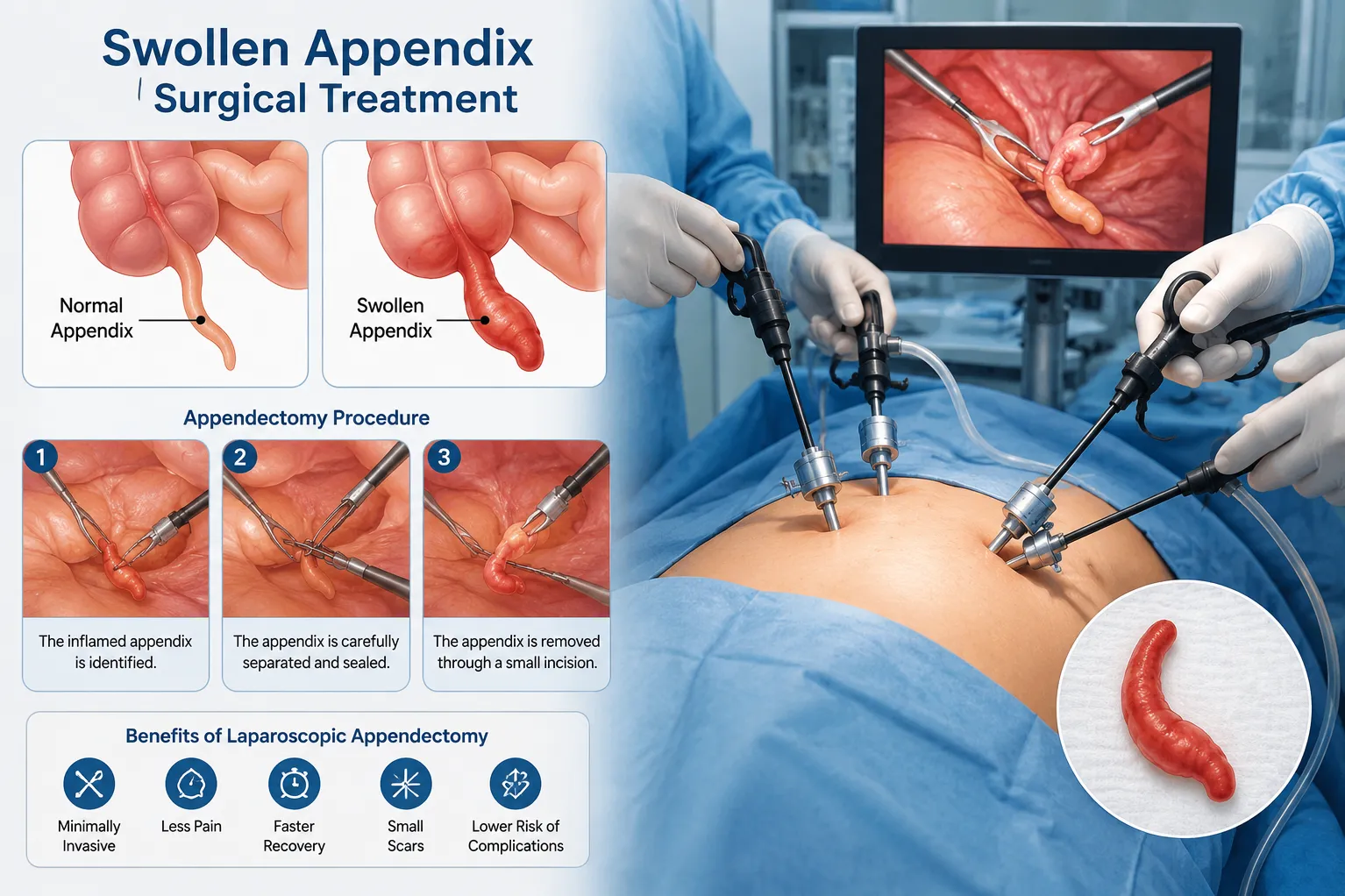
A swollen appendix is not a condition to ignore. What may begin as mild abdominal discomfort can quickly progress into severe pain and, if left untreated, lead to a ruptured appendix. Prompt diagnosis and timely surgical treatment are the most effective ways to prevent serious complications.
If you are searching for swollen appendix surgical treatment in Navi Mumbai or nearby areas such as Sion, Chembur, Kurla, Byculla, and Vashi Naka, understanding the symptoms and treatment process can help you act without unnecessary delay.
What Causes a Swollen Appendix?
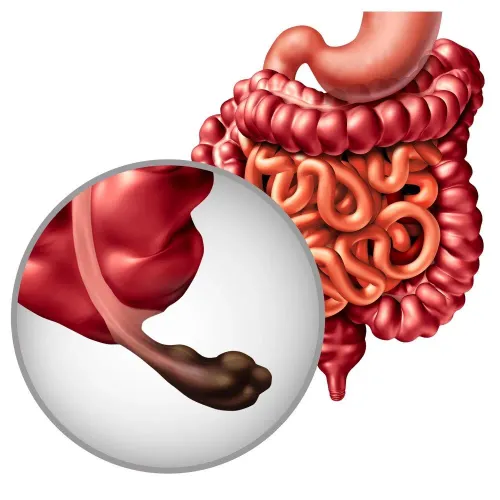
The appendix is a small pouch attached to the large intestine. When its opening becomes blocked, bacteria can multiply inside, causing inflammation known as appendicitis. As pressure builds, the appendix swells and becomes increasingly painful.
Several factors may contribute to blockage, including:
- Hardened stool
- Enlarged lymph tissue
- Infections
- Rarely, small growths or tumors
Regardless of the cause, a swollen appendix usually requires prompt medical evaluation because the condition can worsen rapidly.
Early Symptoms You Should Never Ignore
One of the challenges of appendicitis is that its symptoms may initially resemble common digestive problems.
Watch for signs such as:
- Pain beginning near the navel
- Pain shifting to the lower right side of the abdomen
- Loss of appetite
- Nausea or vomiting
- Mild fever
- Abdominal bloating
- Pain that worsens while walking, coughing, or laughing
As the inflammation progresses, the pain typically becomes sharper and more constant.
When Does It Become an Emergency?
A swollen appendix can rupture if treatment is delayed. Once this happens, infection may spread throughout the abdominal cavity, making treatment more complex.
Seek immediate medical attention if you experience:
- Sudden severe abdominal pain
- High fever
- Persistent vomiting
- Difficulty standing upright because of pain
- Severe tenderness when the abdomen is touched
- Increasing abdominal swelling
These symptoms require urgent assessment rather than home treatment.
How Is Appendicitis Diagnosed?
An accurate diagnosis involves more than identifying abdominal pain. Several conditions, including kidney stones, urinary infections, and gynecological disorders, can produce similar symptoms.
A surgeon may recommend:
- A detailed medical history
- Physical examination
- Blood tests
- Urine analysis
- Ultrasound
- CT scan when necessary
These investigations help confirm the diagnosis and determine the urgency of surgery.
Why Surgery Is the Standard Treatment
Unlike some infections that respond to medication alone, appendicitis is usually treated by removing the inflamed appendix.
Delaying surgery increases the likelihood of:
- Appendix rupture
- Abdominal infection
- Abscess formation
- Longer hospital stay
- Extended recovery
Timely surgery often prevents these complications and allows patients to recover more quickly.
What Is Laparoscopic Appendix Surgery?
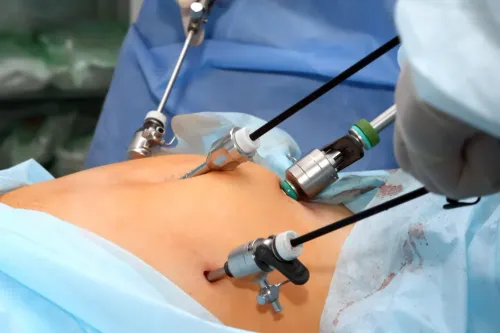
Today, most uncomplicated cases are treated using laparoscopic or keyhole surgery.
The procedure involves:
- Making a few small incisions.
- Inserting a tiny camera for a clear internal view.
- Removing the inflamed appendix using specialized instruments.
- Closing the incisions with minimal tissue disruption.
This minimally invasive approach has become widely accepted because it supports faster healing and less postoperative discomfort.
Benefits of Keyhole Surgery
Compared with traditional open surgery, laparoscopic appendectomy offers several advantages.
Patients may benefit from:
- Smaller scars
- Reduced postoperative pain
- Lower blood loss
- Faster recovery
- Shorter hospital stay
- Earlier return to work
- Reduced risk of wound-related complications
The final surgical approach depends on the severity of infection and the patient's overall health.
Recovery After Appendix Surgery
Recovery usually begins soon after the procedure.
Patients are commonly advised to:
- Start gentle walking as recommended
- Drink enough fluids
- Eat easily digestible meals initially
- Keep surgical wounds clean
- Avoid strenuous physical activity for several weeks
- Complete the prescribed medication course
- Attend follow-up appointments
Most people gradually return to their regular routine within a couple of weeks, although recovery varies from person to person.
Can Appendicitis Be Prevented?
There is no guaranteed method to prevent appendicitis. However, maintaining good digestive health supports overall well-being.
Healthy habits include:
- Eating a balanced, fiber-rich diet
- Staying hydrated
- Exercising regularly
- Seeking medical attention for persistent abdominal pain instead of self-medicating
Early diagnosis remains the most effective way to reduce complications.
Choosing the Right Surgeon
When appendicitis is suspected, choosing an experienced surgeon is important because timely treatment directly affects recovery.
Consider factors such as:
- Experience in laparoscopic abdominal surgery
- Accurate diagnostic evaluation
- Modern surgical facilities
- Individualized postoperative care
- Clear communication about treatment and recovery
Receiving appropriate treatment without unnecessary delay often leads to better outcomes and a smoother recovery.
Accessible Surgical Care for Patients in Navi Mumbai
People living in Navi Mumbai and nearby locations including Sion, Chembur, Kurla, Byculla, and Vashi Naka often prefer receiving treatment close to home, making consultations, surgery, and follow-up appointments more convenient.
For patients diagnosed with appendicitis, Dr Janhavi Kapadia provides comprehensive evaluation and minimally invasive surgical treatment based on the severity of the condition and the patient's overall health. Every treatment plan is designed to prioritize patient safety, timely intervention, and a comfortable recovery.
Frequently Asked Questions
Can appendicitis improve without surgery?
Most cases of acute appendicitis require surgical removal of the appendix. Delaying treatment may increase the risk of rupture and serious infection.
How quickly should surgery be performed?
Once appendicitis is confirmed, surgery is generally recommended as soon as medically appropriate to reduce the risk of complications.
How long will I stay in the hospital?
Many patients undergoing laparoscopic appendectomy are discharged within one or two days, depending on their recovery and the severity of the condition.
When can I return to work?
Patients with desk-based jobs often return within one to two weeks, while physically demanding work may require a longer recovery period based on medical advice.
Keywords