The thyroid gland plays an essential role in regulating metabolism, energy levels, heart function, and body temperature. While many thyroid conditions can be managed with medication, some situations require surgical treatment. Thyroid surgery is commonly recommended for large thyroid nodules, goiters, suspicious growths, thyroid cancer, or conditions that cause difficulty in swallowing or breathing.
If you are looking for a thyroid gland surgery specialist in Kurla or nearby areas such as Sion, Chembur, Byculla, Vashi Naka, and Navi Mumbai, understanding the reasons for surgery and what to expect can help you make informed decisions about your treatment.
What Is the Thyroid Gland?
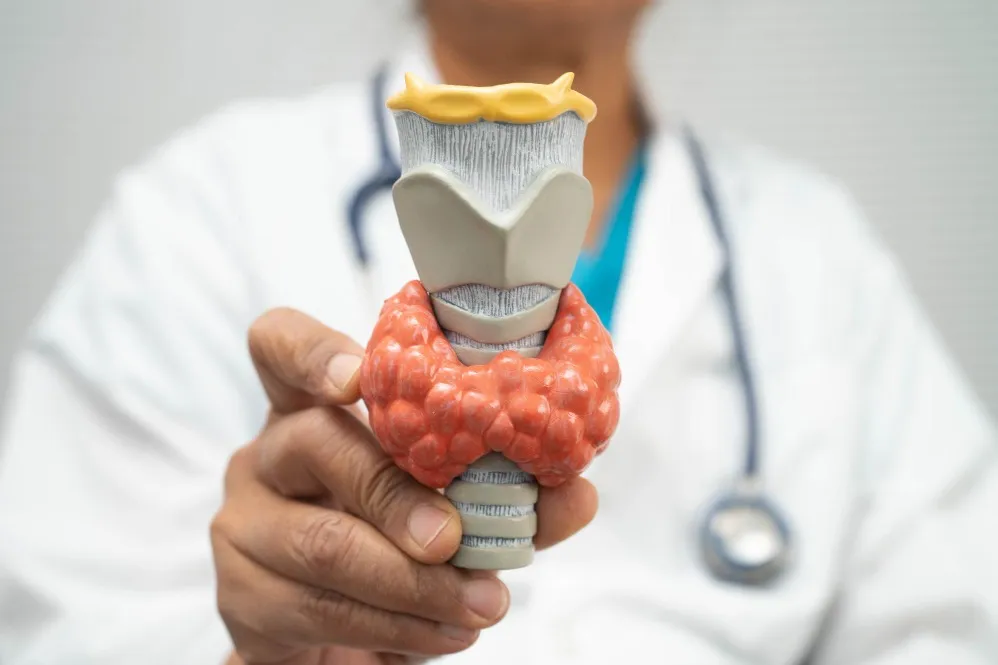
The thyroid is a butterfly-shaped gland located at the front of the neck. It produces hormones that influence almost every organ in the body by controlling metabolism, growth, and energy production.
When the thyroid develops structural abnormalities such as nodules or enlargement, surgery may become necessary even if hormone levels remain normal.
Common Thyroid Conditions That May Require Surgery
Several thyroid disorders can be treated without surgery, but certain conditions benefit from surgical removal.
These include:
- Large thyroid nodules
- Multinodular goiter
- Thyroid cysts
- Suspicious or cancerous thyroid nodules
- Hyperthyroidism not responding to medication
- Goiters causing pressure symptoms
The decision to operate depends on symptoms, investigation results, and overall health rather than the size of the thyroid alone.
Symptoms You Should Not Ignore
Many thyroid problems develop gradually, making early symptoms easy to overlook.
Seek medical evaluation if you notice:
- A swelling at the front of the neck
- Difficulty swallowing
- Breathing discomfort while lying down
- Persistent hoarseness
- Neck pressure
- Rapid enlargement of a thyroid lump
- Unexplained changes in voice
Although many thyroid nodules are benign, every persistent neck swelling should be properly evaluated.
How Are Thyroid Disorders Diagnosed?
Before recommending surgery, your surgeon will conduct a detailed assessment.
Investigations may include:
- Physical examination
- Thyroid function tests
- Ultrasound of the neck
- Fine Needle Aspiration Cytology (FNAC)
- CT scan in selected cases
- Vocal cord examination when necessary
These tests help determine whether surgery is required and guide the most appropriate treatment plan.
When Is Thyroid Surgery Recommended?
Surgery may be advised when:
- A thyroid nodule is suspicious for cancer
- A large goiter compresses nearby structures
- Repeated biopsies remain inconclusive
- Hyperthyroidism cannot be controlled with medication
- Cosmetic concerns are significant due to gland enlargement
- Cancer has been confirmed
Every patient receives an individualized recommendation based on clinical findings and diagnostic reports.
Types of Thyroid Surgery
Depending on the condition, different procedures may be performed.
Hemithyroidectomy
Only one lobe of the thyroid is removed. This is often considered for isolated nodules or certain benign conditions.
Total Thyroidectomy
The entire thyroid gland is removed when extensive disease or thyroid cancer is present.
The exact procedure depends on the diagnosis and the extent of thyroid involvement.
Recovery After Thyroid Surgery
Recovery is generally smooth when surgery is performed by an experienced surgeon.
Patients are commonly advised to:
- Keep the incision clean and dry
- Avoid strenuous neck movements initially
- Take prescribed medications regularly
- Attend follow-up appointments
- Monitor calcium levels if recommended
- Follow advice regarding thyroid hormone replacement when required
Most patients resume routine activities within a few weeks, depending on the extent of surgery.
Life After Thyroid Surgery
Many patients are concerned about how surgery will affect their daily lives.
Most people continue to lead normal, active lives after thyroid surgery. If the entire thyroid gland is removed, lifelong thyroid hormone replacement tablets are usually prescribed to maintain normal body function.
Regular follow-up appointments and blood tests help ensure that hormone levels remain well balanced.
Choosing the Right Thyroid Surgeon
Successful thyroid surgery depends on accurate diagnosis, careful planning, and surgical expertise.
When selecting a surgeon, consider:
- Experience in thyroid and endocrine surgery
- Comprehensive preoperative evaluation
- Modern diagnostic support
- Personalized treatment planning
- Clear communication about risks and recovery
- Ongoing postoperative follow-up
Understanding the procedure beforehand often helps patients feel more confident about treatment.
Specialized Thyroid Care for Patients in Kurla and Nearby Areas
Patients from Kurla and neighboring locations including Sion, Chembur, Byculla, Vashi Naka, and Navi Mumbai often prefer receiving surgical care closer to home, making consultations and follow-up visits more convenient.
For individuals requiring evaluation or surgery for thyroid disorders, Dr Janhavi Kapadia offers comprehensive assessment and individualized surgical care based on imaging, biopsy findings, and the patient's overall health. Every treatment plan is designed to ensure safe management while preserving healthy function whenever possible.
Frequently Asked Questions
Does every thyroid nodule require surgery?
No. Many thyroid nodules are benign and only require observation. Surgery is recommended only when there are medical indications such as suspicious biopsy findings, large size, or pressure symptoms.
Is thyroid surgery a major procedure?
It is a specialized operation performed under general anesthesia. Modern surgical techniques allow most patients to recover comfortably with appropriate postoperative care.
Will I need lifelong medication?
Patients who undergo total thyroid removal usually require thyroid hormone replacement. Those having only part of the gland removed may not always need long-term medication.
When should I consult a thyroid surgeon?
A persistent neck swelling, enlarging thyroid nodule, difficulty swallowing, breathing problems, or abnormal biopsy results should be evaluated promptly to determine whether surgical treatment is appropriate.
Keywords