Abdominal pain can have many causes, but when it starts near the navel and gradually shifts to the lower right side of the abdomen, appendicitis is one condition that should never be ignored. An inflamed appendix can worsen quickly and may rupture if treatment is delayed. Fortunately, keyhole appendix removal surgery, also known as laparoscopic appendectomy, offers a safe and minimally invasive solution for most patients.
If you are looking for keyhole appendix removal surgery in Byculla or nearby areas such as Sion, Chembur, Kurla, Vashi Naka, or Navi Mumbai, understanding the symptoms, diagnosis, and treatment process can help you seek timely medical care.
What Is Appendicitis?
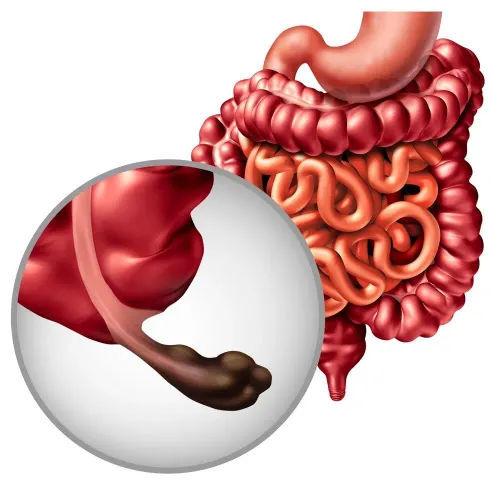
The appendix is a small, finger-shaped pouch attached to the large intestine. While it does not play a major role in digestion, it can become inflamed due to blockage, infection, or swelling.
Once inflamed, the appendix may fill with pus, causing increasing pain and discomfort. Without treatment, it can rupture, spreading infection throughout the abdomen and leading to a potentially life-threatening condition.
Early diagnosis significantly improves treatment outcomes and reduces the risk of complications.
Common Signs and Symptoms
Appendicitis often develops suddenly, and symptoms usually become more severe within a short period.
Typical warning signs include:
- Pain that begins around the belly button before moving to the lower right abdomen
- Pain that worsens while walking, coughing, or changing position
- Loss of appetite
- Nausea and vomiting
- Mild fever
- Abdominal swelling
- Constipation or diarrhea in some cases
Not every patient experiences the same symptoms. Children, older adults, and pregnant women may present with less typical signs, making medical evaluation especially important.
When Should You Seek Immediate Medical Attention?
Prompt evaluation is recommended if abdominal pain becomes severe or is accompanied by other concerning symptoms.
Seek medical care immediately if you experience:
- Severe pain in the lower right abdomen
- Persistent vomiting
- High fever
- Difficulty walking because of abdominal pain
- Sudden worsening of symptoms
- Abdominal rigidity or severe tenderness
Delaying treatment increases the possibility of appendix rupture, which often requires more extensive surgery and a longer recovery.
What Is Keyhole Appendix Removal Surgery?
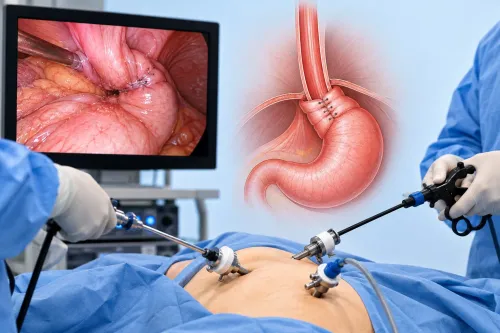
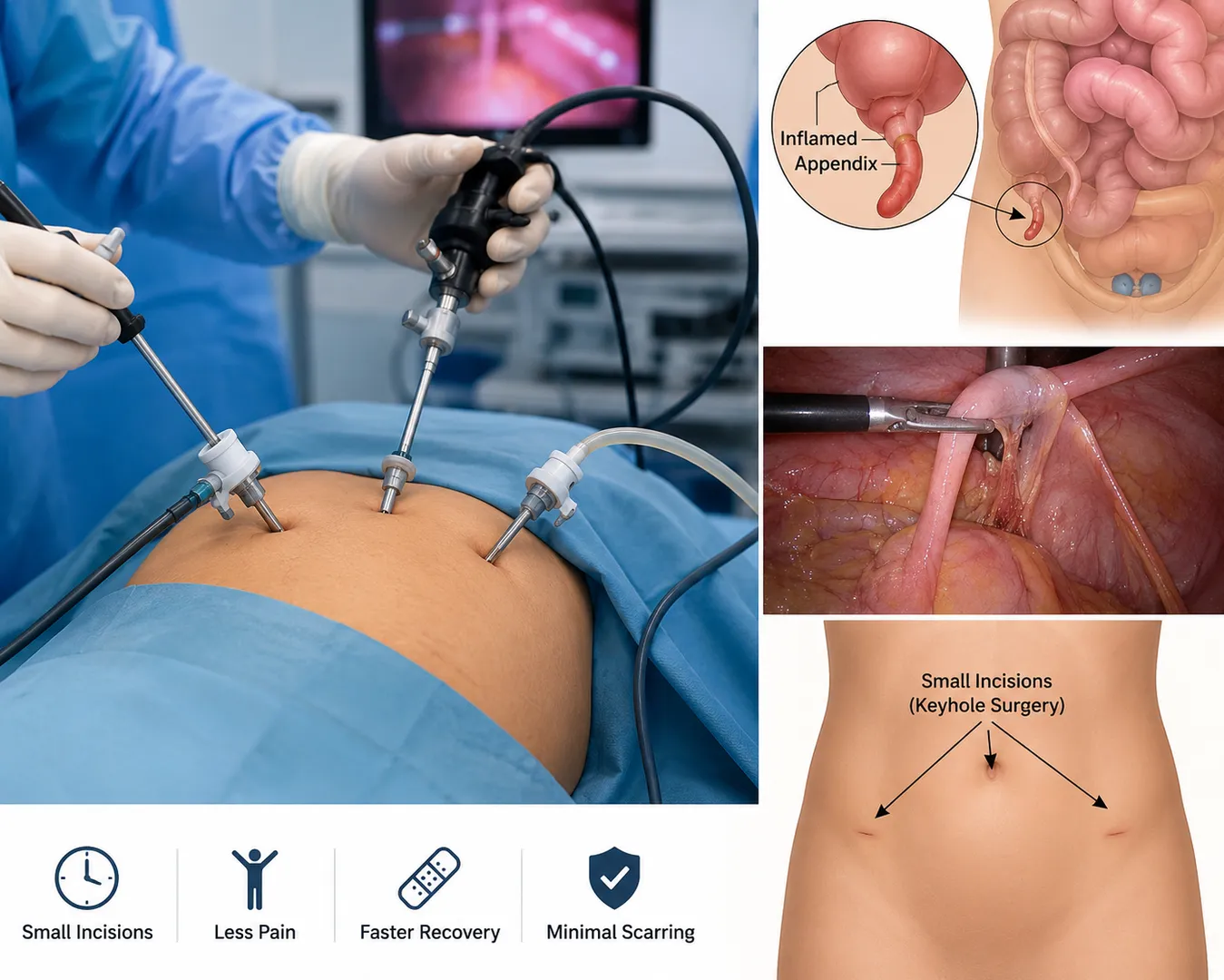
Laparoscopic appendectomy is a minimally invasive procedure performed through a few small incisions.
During the surgery:
- A tiny camera is inserted through one incision.
- Specialized surgical instruments are introduced through the remaining small openings.
- The inflamed appendix is carefully removed.
- The incisions are closed with minimal tissue disruption.
This approach provides the surgeon with a clear view of the abdominal cavity while reducing trauma to surrounding tissues.
Advantages of Laparoscopic Appendectomy
For many patients, laparoscopic surgery offers several important benefits over traditional open surgery.
These include:
- Smaller incisions
- Less postoperative pain
- Reduced blood loss
- Lower risk of wound infection
- Faster recovery
- Minimal scarring
- Shorter hospital stay
- Earlier return to everyday activities
However, the choice between laparoscopic and open surgery depends on the severity of infection, previous abdominal surgeries, and the patient's overall health.
How Is Appendicitis Diagnosed?
Before recommending surgery, the surgeon performs a thorough clinical assessment.
Diagnosis may involve:
- Detailed medical history
- Physical examination
- Blood tests to check for infection
- Urine examination
- Ultrasound
- CT scan when required
These investigations help confirm appendicitis and rule out other conditions that may produce similar symptoms.
Recovery After Keyhole Appendix Surgery
Recovery is generally smooth when surgery is performed before complications develop.
Patients are commonly advised to:
- Start walking as recommended by the medical team
- Stay well hydrated
- Eat light meals before gradually returning to a normal diet
- Keep surgical wounds clean and dry
- Avoid strenuous exercise for a few weeks
- Attend follow-up appointments
Many patients are able to return to office work within one to two weeks, while physically demanding activities may require a longer recovery period.
Can Appendicitis Be Prevented?
There is no guaranteed way to prevent appendicitis. However, maintaining overall digestive health may support healthy bowel function.
Healthy habits include:
- Eating a balanced diet rich in fruits and vegetables
- Drinking sufficient water
- Staying physically active
- Seeking medical attention promptly when abdominal pain is persistent
Although these measures promote general health, they do not eliminate the possibility of appendicitis.
Choosing the Right Surgeon for Appendix Removal
When emergency surgery is required, selecting an experienced surgeon contributes to safe and effective treatment.
Important factors to consider include:
- Expertise in laparoscopic abdominal surgery
- Accurate diagnosis
- Timely surgical intervention
- Modern operation theatre facilities
- Individualized postoperative care
- Clear communication throughout treatment
Patients often recover more confidently when they understand both the procedure and the expected healing process.
Convenient Surgical Care Close to Home
Residents of Byculla and nearby areas including Sion, Chembur, Kurla, Vashi Naka, and Navi Mumbai often prefer receiving surgical care within their local region to simplify consultations, surgery, and follow-up visits.
For patients diagnosed with appendicitis, Dr Janhavi Kapadia provides comprehensive assessment and minimally invasive appendix removal surgery whenever clinically appropriate. Every treatment plan is tailored to the patient's condition, ensuring timely care with a focus on safety and recovery.
Frequently Asked Questions
Is appendicitis always an emergency?
Acute appendicitis usually requires urgent medical evaluation because delaying treatment increases the risk of rupture and infection.
How long does keyhole appendix surgery take?
Most laparoscopic appendectomies are completed within 45 to 90 minutes, depending on the severity of inflammation.
Will there be visible scars?
The procedure uses small incisions, so scarring is generally minimal compared to open surgery.
How soon can I return to normal activities?
Many patients resume light daily activities within a few days, while complete recovery typically takes a few weeks, depending on overall health and the complexity of the surgery.
Keywords